
Understanding Suspension Ceramic Insulators: Key Elements in Electrical Insulation
2026-10-05


Suspension ceramic insulators play a vital role in the electrical engineering domain, particularly in the area of insulation materials. These components are designed to support overhead power lines while providing the necessary electrical insulation to prevent faults and ensure safety. Their unique design and composition make them suitable for various applications in high-voltage environments.
One
Suspension ceramic insulators play a vital role in the electrical engineering domain, particularly in the area of insulation materials. These components are designed to support overhead power lines while providing the necessary electrical insulation to prevent faults and ensure safety. Their unique design and composition make them suitable for various applications in high-voltage environments.
One of the primary materials used in the manufacturing of suspension ceramic insulators is porcelain, a type of ceramic that exhibits excellent electrical insulation properties. By nature, ceramics are high in dielectric strength, which allows them to withstand significant electrical stress without conducting electricity. This characteristic is crucial in power transmission systems, where high voltages are present. The suspension design further allows these insulators to effectively support the weight of conductors while minimizing mechanical stress and preventing sagging.
The design of suspension ceramic insulators typically includes a series of ceramic discs stacked together, which increases the insulator’s electrical resistance. This multi-disc structure enhances the insulator's performance by providing multiple barriers to electrical leakage and allowing for a more compact design. The use of high-quality glazes on the ceramic surfaces helps reduce pollution accumulation, which is essential for maintaining performance in different environmental conditions. This feature is particularly critical in areas with high air pollution or severe weather conditions.
In terms of applications, suspension ceramic insulators are predominantly used in overhead transmission lines, substations, and distribution networks. Their ability to withstand adverse weather conditions, such as heavy winds, ice loads, and extreme temperatures, makes them an ideal choice for ensuring the reliability of power delivery systems. Moreover, evacuation of insulators is facilitated by their lightweight construction and effective design, which contributes to the ease of installation and maintenance.
Moreover, the longevity of suspension ceramic insulators is another significant advantage. Unlike some alternative materials, ceramics demonstrate exceptional durability over time, resisting degradation and maintaining their insulating properties even under continuous exposure to outdoor elements. This longevity reduces the need for frequent replacements, thus optimizing operational costs and enhancing system efficiency.
In conclusion, suspension ceramic insulators are indispensable components in electrical systems, providing the necessary support and insulation for high-voltage power lines. Their robust design, exceptional insulating properties, and durability make them a reliable choice for electrical engineers and utility companies. Understanding the functions and advantages of these insulators can significantly contribute to the design and maintenance of more efficient electrical systems.
Keywords:
Recommended
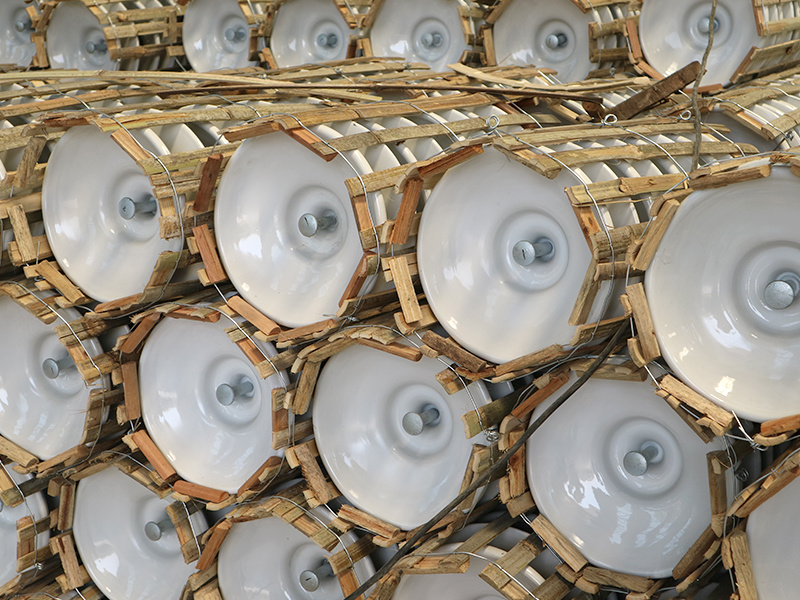
Ceramic insulators are insulators made of ceramic materials such as alumina.
High Durability: Ceramic insulators possess high resistivity, high dielectric strength, excellent mechanical properties, and the ability to dissipate heat and insulate in humid and corrosive environments.
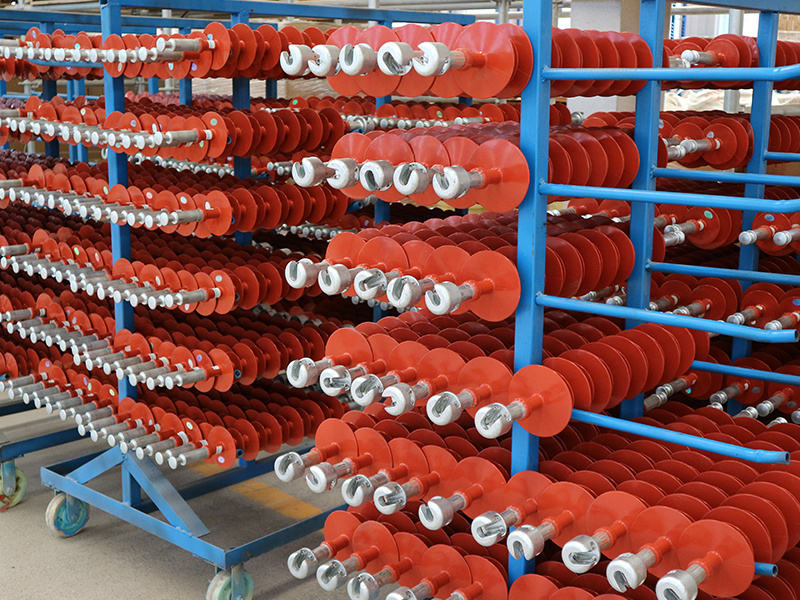
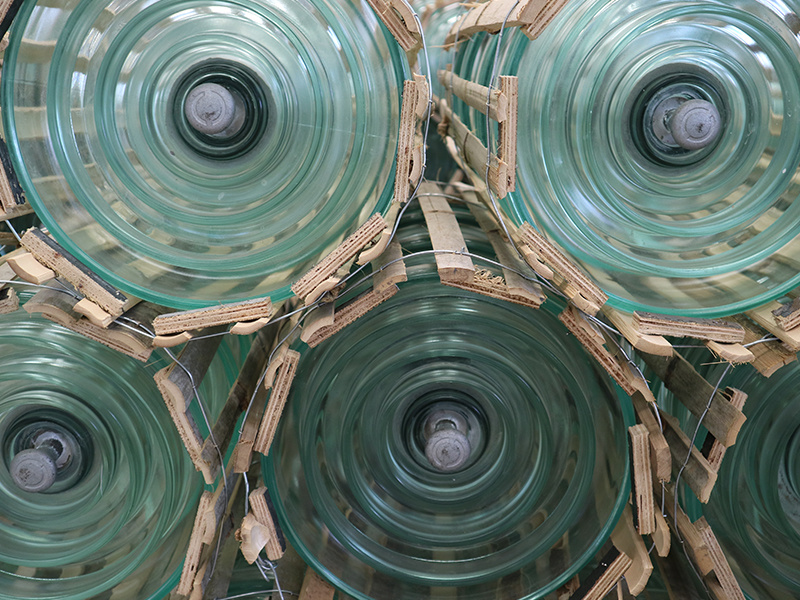

We adopt advanced manufacturing processes, strictly control every step to ensure product performance, and lead industry standards through technological innovation.


Mobile/WeChat
Address
Hejian City, Cangzhou City, Hebei Province