
Why Choose Windproof Composite Insulators for Enhanced Electrical Safety?
2026-10-01


Why Choose Windproof Composite Insulators for Enhanced Electrical Safety?
Introduction to Windproof Composite Insulators
In today's electrical infrastructure, safety and reliability are paramount. As we advance technologically, the materials we use must also evolve. One innovative solution gaining traction within the industry is **windproof composite insulators**. These insulators are engineered t
Why Choose Windproof Composite Insulators for Enhanced Electrical Safety?
Introduction to Windproof Composite Insulators
In today's electrical infrastructure, safety and reliability are paramount. As we advance technologically, the materials we use must also evolve. One innovative solution gaining traction within the industry is **windproof composite insulators**. These insulators are engineered to withstand extreme environmental conditions, including high winds, ensuring optimal performance and safety.
This article delves into the features, benefits, and applications of windproof composite insulators, providing a comprehensive understanding of why they are becoming the preferred choice for electrical systems worldwide.
Understanding the Basics of Insulators
Before exploring the advantages of windproof composite insulators, it is essential to understand the role of insulators in electrical systems. Insulators are materials that prevent the flow of electricity, protecting both equipment and personnel from electrical hazards. They are vital for the safe and efficient operation of power lines and electrical equipment.
The Functionality of Insulators
Insulators serve multiple functions, including:
- **Electrical Insulation**: Preventing electrical current from escaping its intended path.
- **Mechanical Support**: Holding conductors in place against gravity and environmental forces.
- **Environmental Protection**: Shielding electrical components from weather-related damage.
Types of Insulators: A Brief Overview
There are several types of insulators used in electrical applications, including:
- **Porcelain Insulators**: Traditional, robust, and widely used, although susceptible to breakage.
- **Glass Insulators**: Durable and transparent, allowing for visual inspection but heavier than other types.
- **Composite Insulators**: Made from polymer materials, lightweight, and resistant to environmental degradation.
What Makes Windproof Composite Insulators Unique?
Windproof composite insulators are specially designed to offer superior performance in high-wind environments. They are made from advanced polymer materials that provide excellent electrical insulation while also being lightweight and robust.
Key Features of Windproof Composite Insulators
1. **Lightweight Design**: Their reduced weight leads to lower installation costs and simplified transportation.
2. **High Mechanical Strength**: Engineered to withstand high mechanical stresses, these insulators perform reliably even in extreme weather conditions.
3. **Corrosion Resistance**: Composite materials resist environmental degradation, ensuring longevity and reducing maintenance needs.
4. **Enhanced Electrical Performance**: These insulators maintain high dielectric strength, promoting safety and efficiency.
The Advantages of Using Windproof Composite Insulators
Transitioning to windproof composite insulators brings a multitude of benefits, particularly in enhancing electrical safety.
1. Improved Safety Standards
Safety is the primary concern in electrical installations. Windproof composite insulators reduce the risk of electrical failures caused by high winds, ensuring that systems remain operational under adverse conditions.
2. Resistance to Environmental Factors
These insulators exhibit exceptional resistance to:
- **UV Radiation**: Preventing degradation from sunlight exposure.
- **Moisture and Pollution**: Ensuring reliable performance even in polluted or humid environments.
- **Thermal Cycles**: Withstanding extreme temperature variations without losing functionality.
3. Cost-Effective Solutions
Despite a higher initial investment, windproof composite insulators offer long-term savings through reduced maintenance costs, fewer replacements, and lower installation expenses due to their lightweight nature.
4. Versatility in Applications
Windproof composite insulators are suitable for various applications, including:
- **Transmission Lines**: Ensuring the safety and reliability of high-voltage power transmission.
- **Distribution Networks**: Supporting local grids and substations with enhanced resilience.
- **Renewable Energy Systems**: Ideal for wind and solar applications, where environmental factors can affect performance.
Comparative Analysis: Windproof Composite Insulators vs. Traditional Insulators
To appreciate the value of windproof composite insulators, it’s essential to compare them with traditional materials.
Material Durability
While porcelain and glass insulators are known for their durability, they are also prone to breakage under severe wind conditions. In contrast, composite materials are designed to absorb impacts, thus minimizing the risk of failure.
Weight Considerations
The lightweight nature of composite insulators significantly reduces the mechanical load on structures, allowing for more flexible designs and potentially lowering tower heights.
Cost-Effectiveness Over Time
Although traditional insulators may appear cheaper initially, the total cost of ownership, considering maintenance and replacement costs, often favors composite insulators due to their longevity and lower upkeep.
Installation and Maintenance of Windproof Composite Insulators
Understanding the installation and maintenance requirements is crucial when integrating windproof composite insulators into your electrical systems.
Installation Procedures
1. **Site Assessment**: Evaluate environmental conditions to determine the specific needs for insulator selection.
2. **Proper Handling**: Due to their lightweight nature, careful handling is required during transportation and installation to prevent damage.
3. **Mounting Techniques**: Follow manufacturer guidelines to ensure proper alignment and secure fastening.
Maintenance Best Practices
- **Regular Inspections**: Conduct routine inspections to identify and address potential issues before they escalate.
- **Cleaning**: Remove any debris or pollutants that may affect performance.
- **Monitoring**: Utilize sensors to monitor environmental conditions and predict potential failures.
Real-World Applications and Case Studies
Several projects globally have successfully integrated windproof composite insulators, showcasing their effectiveness in enhancing electrical safety.
Case Study: Wind Farm Applications
In wind farms, where robust performance against high winds is critical, windproof composite insulators have proven their worth. By reducing maintenance costs and improving energy transmission efficiency, these insulators have enabled operators to maximize their return on investment.
Case Study: Urban Electrical Grids
In urban environments, where space is at a premium, the lightweight design of composite insulators allows for innovative installation solutions that ensure reliability without compromising safety.
Challenges and Considerations in Adoption
While windproof composite insulators offer numerous benefits, there are challenges to consider when adopting this technology.
1. Initial Costs
The upfront investment may be higher compared to traditional insulators, which could deter some organizations from making the switch.
2. Training and Expertise
Proper installation and maintenance require specialized knowledge. It is essential to invest in training for personnel to handle these advanced materials effectively.
3. Market Availability
As a relatively newer technology, windproof composite insulators may not be as widely available as their traditional counterparts, necessitating partnerships with specialized suppliers.
FAQs about Windproof Composite Insulators
1. What are windproof composite insulators made of?
Windproof composite insulators are primarily made from polymer materials that enhance their strength, durability, and electrical performance.
2. How do windproof composite insulators compare to porcelain insulators?
Composite insulators are lighter and more resistant to environmental factors, while porcelain insulators are heavier and more susceptible to breakage.
3. Are windproof composite insulators suitable for all electrical applications?
Yes, they are versatile and can be used in various applications, including transmission lines, distribution networks, and renewable energy systems.
4. What maintenance is required for windproof composite insulators?
Regular inspections, cleaning, and monitoring environmental conditions are essential to ensure optimal performance and longevity.
5. How can I choose the right insulator for my needs?
Consider factors such as environmental conditions, load requirements, and budget when selecting the appropriate insulator for your electrical system.
Conclusion
Windproof composite insulators represent a significant advancement in electrical safety and performance. Their unique properties make them an ideal choice for modern electrical infrastructure, especially in challenging environmental conditions. By investing in these advanced materials, organizations can enhance safety, reduce maintenance costs, and improve overall efficiency. Transitioning to windproof composite insulators is not just a choice; it's a commitment to ensuring a safer and more reliable future for our electrical systems.
Keywords:
Recommended
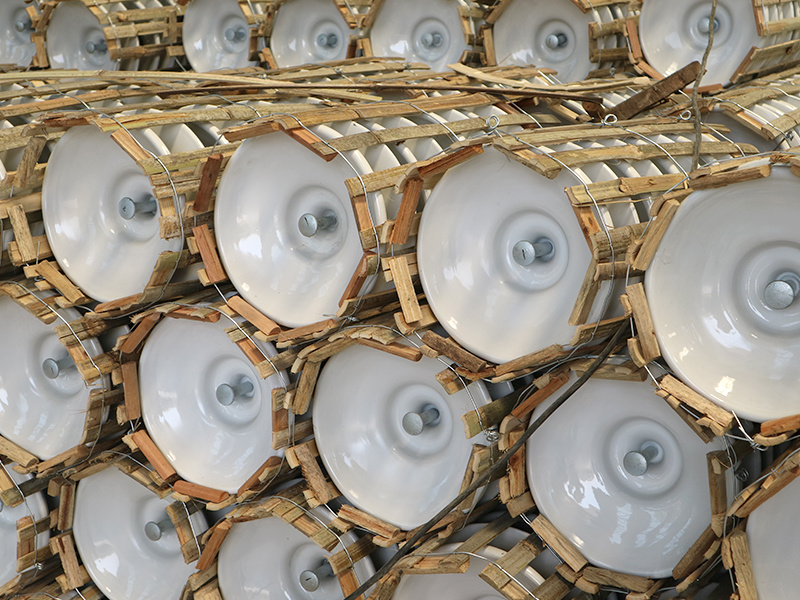
Ceramic insulators are insulators made of ceramic materials such as alumina.
High Durability: Ceramic insulators possess high resistivity, high dielectric strength, excellent mechanical properties, and the ability to dissipate heat and insulate in humid and corrosive environments.
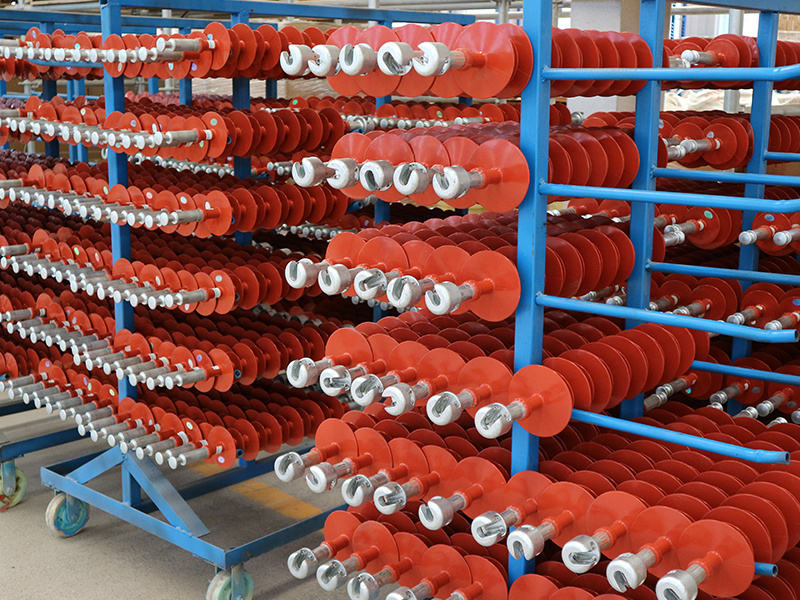
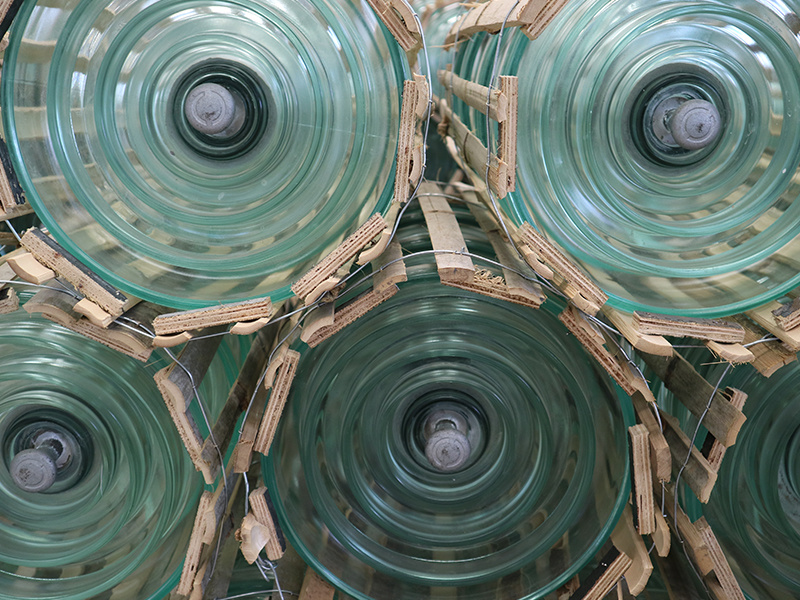

We adopt advanced manufacturing processes, strictly control every step to ensure product performance, and lead industry standards through technological innovation.


Mobile/WeChat
Address
Hejian City, Cangzhou City, Hebei Province