
How Composite Insulators Enhance the Reliability of Power Systems
2026-10-09


How Composite Insulators Enhance the Reliability of Power Systems
Table of Contents
1. Introduction to Composite Insulators
2. The Importance of Reliability in Power Systems
3. The Composition of Composite Insulators
4. Advantages of Using Composite Insulators
4.1 Improved Electrical Performance
4.2 Resistance to Environmental Factors
4.3 Lightweight and Easy Installation
4.4 Cost-Effectiveness Ov
How Composite Insulators Enhance the Reliability of Power Systems
Table of Contents
1. Introduction to Composite Insulators
2. The Importance of Reliability in Power Systems
3. The Composition of Composite Insulators
4. Advantages of Using Composite Insulators
4.1 Improved Electrical Performance
4.2 Resistance to Environmental Factors
4.3 Lightweight and Easy Installation
4.4 Cost-Effectiveness Over Time
5. Applications of Composite Insulators in Power Systems
6. Case Studies Demonstrating Enhanced Reliability
7. Future Trends in Composite Insulator Technology
8. Frequently Asked Questions (FAQs)
9. Conclusion
1. Introduction to Composite Insulators
Composite insulators have emerged as a revolutionary component in the electrical engineering landscape, significantly contributing to the efficiency and reliability of power systems. Unlike traditional ceramic or glass insulators, composite insulators utilize a combination of materials, typically incorporating polymeric compounds, to deliver superior performance. This article delves into how composite insulators are not only changing the way we approach power distribution but also ensuring that our electrical infrastructure remains resilient and dependable.
2. The Importance of Reliability in Power Systems
Reliability in power systems is paramount. A reliable power system ensures uninterrupted electricity supply, which is crucial for both residential and industrial consumers. Power outages can lead to significant economic losses and can disrupt daily life. As the demand for electricity continues to rise, the need for robust and reliable power infrastructure has never been more pressing. Composite insulators play a crucial role in achieving this reliability by minimizing failures and enhancing the overall durability of power lines.
3. The Composition of Composite Insulators
Composite insulators are primarily made from a core of fiberglass-reinforced plastics, encapsulated within a weather-resistant polymer sheath. This unique composition provides exceptional mechanical strength and electrical insulation properties. The materials used are specifically designed to withstand extreme weather conditions, including high temperatures, humidity, and pollution. Understanding the composition of composite insulators is vital for appreciating how they enhance system reliability.
4. Advantages of Using Composite Insulators
Composite insulators offer numerous advantages that contribute to their rising popularity in power systems.
4.1 Improved Electrical Performance
The electrical performance of composite insulators is significantly superior to that of traditional insulators. They exhibit high dielectric strength, which reduces the risk of electrical breakdown and ensures a stable performance even under challenging conditions.
4.2 Resistance to Environmental Factors
Composite insulators are designed to resist environmental challenges such as UV radiation, moisture, and pollution. Unlike ceramic insulators, which can degrade over time, composite materials maintain their integrity, ensuring long-term reliability.
4.3 Lightweight and Easy Installation
The lightweight nature of composite insulators simplifies the installation process. This advantage not only reduces transportation costs but also allows for quicker setup, minimizing downtime during installation.
4.4 Cost-Effectiveness Over Time
Although composite insulators may have a higher initial cost than traditional options, their longevity and low maintenance requirements result in significant cost savings in the long run. This economic advantage is a strong motivator for utilities to adopt composite technology.
5. Applications of Composite Insulators in Power Systems
Composite insulators find applications in various components of power systems, including transmission lines, substations, and distribution networks. Their versatility enables their use in different configurations, making them suitable for both overhead and underground installations. The adaptability of composite insulators to various environments ensures that they can be deployed in diverse geographical locations, including coastal areas with high salt exposure and regions with severe weather conditions.
6. Case Studies Demonstrating Enhanced Reliability
Real-world applications of composite insulators have shown significant improvements in reliability. For instance, in a utility in the Pacific Northwest, the transition from ceramic to composite insulators resulted in a marked decrease in maintenance costs and power outages caused by insulator failure. By analyzing performance data over several years, it was evident that the improved electrical and weather-resistant properties of composite insulators directly contributed to enhanced system reliability.
7. Future Trends in Composite Insulator Technology
As technology evolves, so too does the design and functionality of composite insulators. Future trends may include the integration of smart technology, such as sensors that monitor insulator condition in real-time. This innovation could provide utilities with valuable data, allowing for proactive maintenance and further enhancing reliability. Additionally, ongoing research into advanced materials may lead to even more robust designs, setting new standards for durability and performance in the power industry.
8. Frequently Asked Questions (FAQs)
What are composite insulators made of?
Composite insulators are typically made from a core material of fiberglass-reinforced plastics, covered by a weather-resistant polymer sheath that enhances their durability and insulation properties.
How do composite insulators compare to traditional ceramic insulators?
Composite insulators are lighter, more resistant to environmental factors, and have superior electrical performance compared to traditional ceramic insulators, which can be more susceptible to breakage and degradation.
In what applications are composite insulators most effective?
Composite insulators are effective in various applications, including high-voltage transmission lines, substations, and distribution networks, especially in areas prone to harsh weather conditions.
What are the cost implications of using composite insulators?
While composite insulators may have a higher upfront cost, their longevity and low maintenance needs typically result in lower overall costs over time.
Are there any limitations to using composite insulators?
One potential limitation is their susceptibility to damage from physical impacts. However, advancements in materials and design continue to address these concerns.
9. Conclusion
Composite insulators represent a significant advancement in power system technology, directly contributing to enhanced reliability and efficiency. Their unique composition, combined with numerous advantages, positions them as a preferred choice for utilities across the globe. As the demand for reliable electricity continues to grow, investing in composite insulators is not just a smart decision; it is essential for future-proofing our power systems. Embracing this technology will lead to fewer outages, reduced maintenance costs, and ultimately a more resilient electrical infrastructure.
Keywords:
Recommended
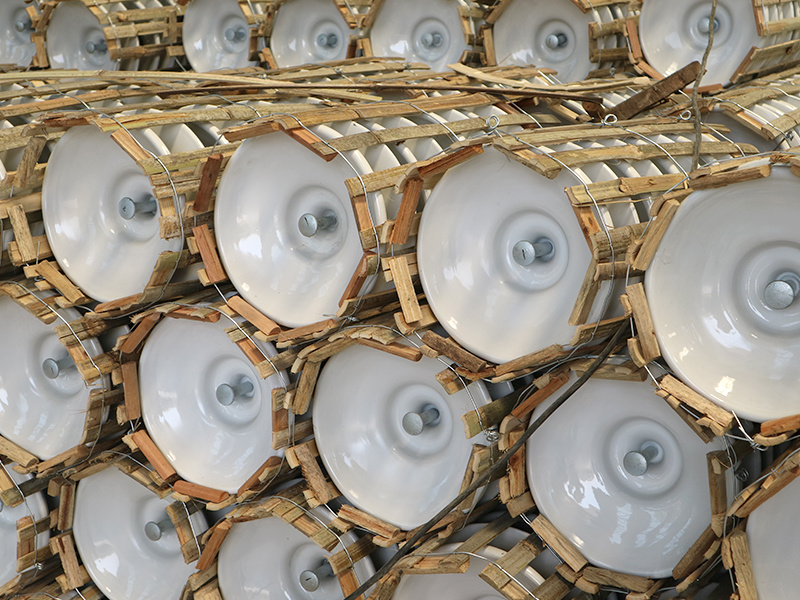
Ceramic insulators are insulators made of ceramic materials such as alumina.
High Durability: Ceramic insulators possess high resistivity, high dielectric strength, excellent mechanical properties, and the ability to dissipate heat and insulate in humid and corrosive environments.
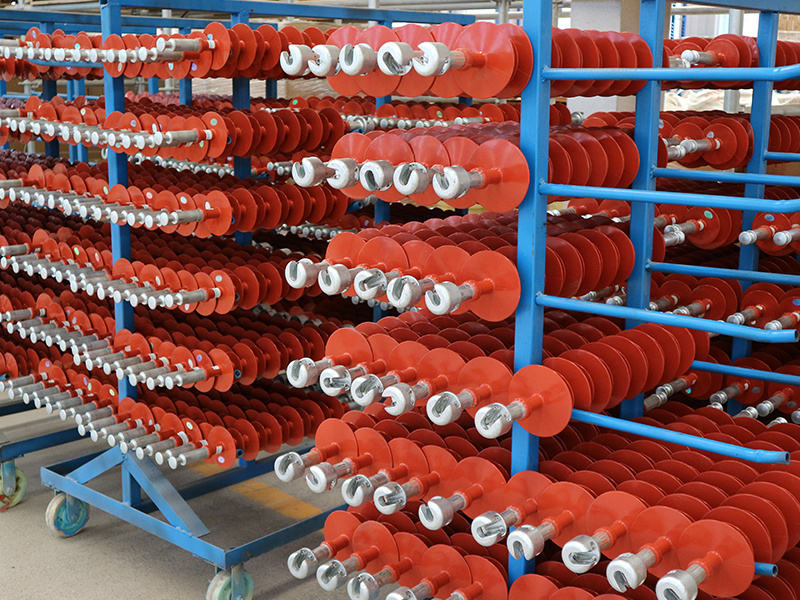
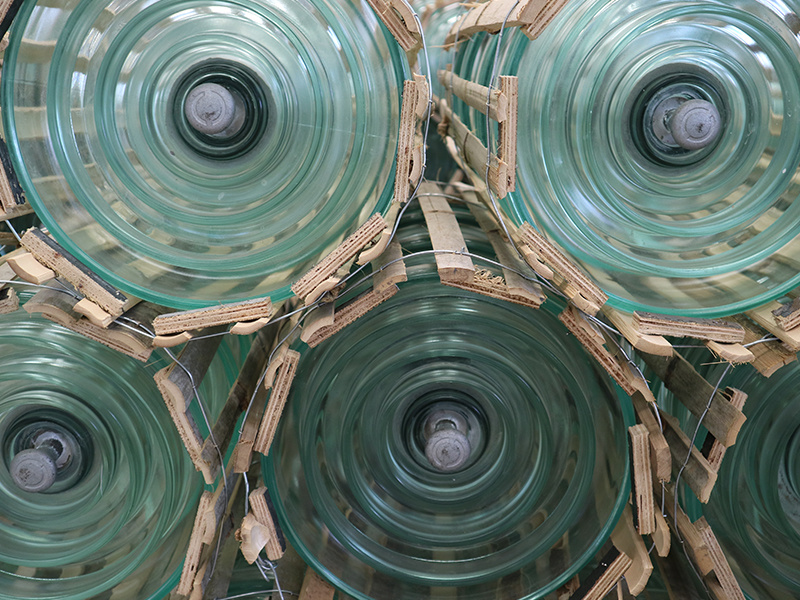

We adopt advanced manufacturing processes, strictly control every step to ensure product performance, and lead industry standards through technological innovation.


Mobile/WeChat
Address
Hejian City, Cangzhou City, Hebei Province