
Needle Type Porcelain Insulator: Reliable Insulation Solutions for Modern Power Distribution
2026-10-09


In modern power distribution systems, safe conductor support and dependable electrical insulation are essential for maintaining a stable electricity supply. The needle type porcelain insulator is designed to support overhead conductors while separating energized wires from supporting structures. With its established porcelain insulation technology, practical mounting structure, and multiple specification options, it provides a useful solution for utility projects, distribution line construction, and electrical infrastructure maintenance.
Porcelain insulators play an important role in reducing the risk of electrical leakage between conductors and grounded supporting structures. Their performance helps protect line components and supports the safe operation of overhead distribution networks. For contractors and electrical equipment distributors, selecting an appropriate insulator is not simply about purchasing a component; it is about matching electrical requirements, mechanical loads, installation conditions, and long-term maintenance needs.
One important advantage of a needle type porcelain insulator is its combination of electrical insulation and mechanical support. The porcelain body provides insulating properties, while the product's structure helps hold the conductor in its intended position. When the correct model is selected for the applicable voltage and installation conditions, it can help maintain suitable conductor clearance and reduce the possibility of insulation problems caused by unsuitable equipment. Its performance should always be evaluated against the relevant technical standards and project requirements.
Another practical benefit is the availability of different models for different operating conditions. Hebei Gaoya Electric Power Equipment Co., Ltd. lists models including P-6M, P-6T, P-10M, P-10T, P1-10T, P-15M, P-15T, P-11T, ST-20, P-20M, P-20T, P-35M, and P-35T. The published product table includes rated voltage options of 6 kV, 10 kV, 11 kV, 15 kV, 20 kV, and 35 kV. This range gives purchasing teams a starting point for comparing specifications and identifying suitable products for their distribution projects.

The product page also provides technical parameters such as overall dimensions, creepage distance, power-frequency withstand voltage, lightning impulse withstand voltage, and bending load. These details are important when engineers assess whether an insulator is suitable for a particular installation. Instead of relying only on appearance or nominal voltage, buyers can compare the relevant electrical and mechanical data before placing an order. The listed specifications should be checked against the latest quotation and technical documentation before final selection.
For overhead distribution line construction, a needle-type porcelain insulator can help support conductors on appropriate line structures. During network expansion, utility contractors need components that correspond to the design requirements and can be integrated into the installation process. Choosing a suitable model helps simplify equipment matching and supports consistent installation practices. For maintenance projects, replacement insulators with compatible dimensions and electrical ratings can also help reduce unnecessary modification work and improve procurement efficiency.
Consider a utility contractor upgrading an existing distribution line. The project team may need to replace aging insulation components while keeping the planned maintenance schedule on track. By reviewing the existing line voltage, mounting arrangement, conductor requirements, and environmental conditions, the purchasing team can shortlist compatible models. Confirming dimensions and performance ratings with the supplier before delivery helps reduce the risk of receiving unsuitable components, avoiding preventable delays during installation.
A second application involves electrical equipment distributors serving multiple customers. Different projects may require different voltage ratings, structural dimensions, and connection arrangements. A product series with multiple model options makes it easier for distributors to discuss requirements with contractors and prepare more accurate quotations. Gaoya also states that its regular product parameters can be customized for processing, giving buyers an opportunity to discuss project-specific requirements with the company before confirming an order.
Outdoor electrical equipment must also be selected with local environmental conditions in mind. Moisture, surface contamination, temperature changes, and other exposure factors can influence insulation performance. When selecting a porcelain insulator, purchasers should consider the expected pollution level, required creepage distance, applicable voltage, mechanical loading, and relevant installation standards. Correct product selection, proper installation, and routine inspection work together to support reliable operation.
Quality control is another consideration for bulk procurement. Gaoya states that it tests products before delivery and accepts requests for samples before bulk orders. These arrangements can help buyers evaluate product suitability and clarify technical requirements before committing to larger quantities. For projects with special specifications, confirming drawings, inspection requirements, packaging, and delivery schedules in advance can make communication more efficient and reduce purchasing uncertainty.
For international buyers, clear technical communication is particularly valuable. Differences in local standards, voltage classifications, mounting methods, and documentation requirements can complicate equipment sourcing. Providing the supplier with project drawings, required model information, destination-market standards, and estimated order quantities helps establish a clearer basis for product selection. Buyers should also request confirmation of compliance documents and test records where these are required by the project.
The main customer challenges addressed by a suitable needle-type porcelain insulator include unreliable conductor support, uncertainty about electrical compatibility, difficulty comparing technical specifications, and the risk of ordering components that do not fit existing installations. A structured selection process helps address these concerns by bringing together engineering requirements, product data, sample evaluation, and supplier communication. This approach is more effective than choosing a component based on price alone.
Hebei Gaoya Electric Power Equipment Co., Ltd. supplies porcelain insulators alongside glass insulators, composite insulators, lightning arresters, and other power hardware. Its website provides product specifications and options for contacting the company about quotations, samples, and customized requirements. For buyers planning new distribution lines, replacing existing components, or sourcing products for electrical equipment inventories, these resources provide a starting point for evaluating available solutions.
Ultimately, choosing the right needle type porcelain insulator requires a balance of insulation performance, mechanical suitability, installation compatibility, and purchasing efficiency. By checking technical parameters carefully and communicating project requirements clearly, contractors, distributors, and utility procurement teams can make more informed decisions. A well-matched insulator supports the reliable operation of distribution infrastructure and helps build a more dependable foundation for everyday power delivery.
Previous Page:
Recommended
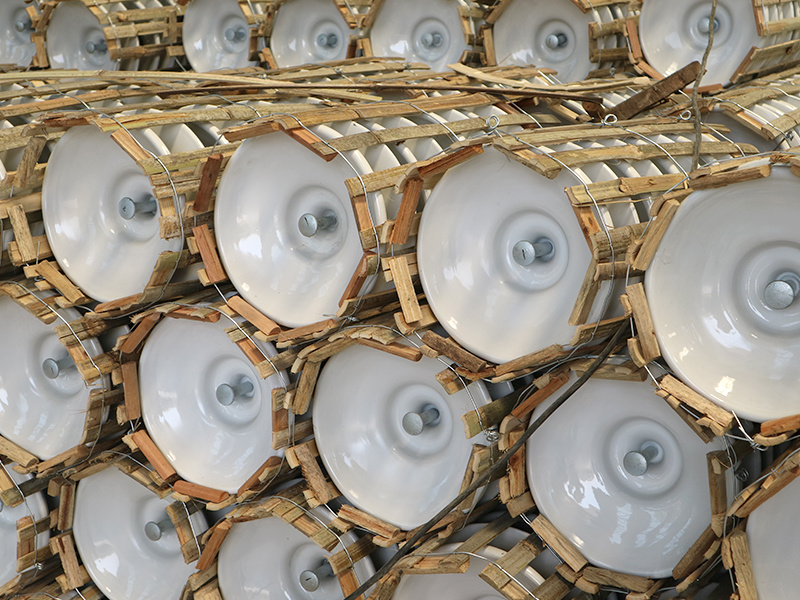
Ceramic insulators are insulators made of ceramic materials such as alumina.
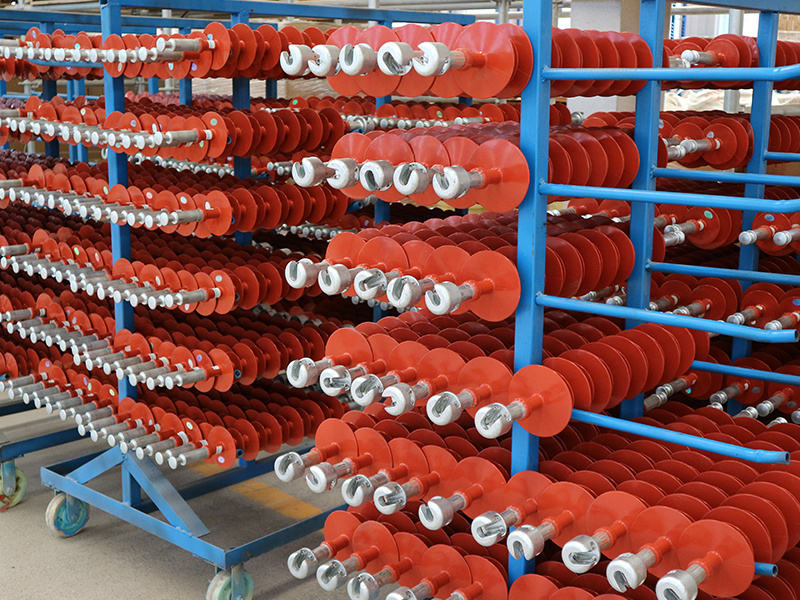
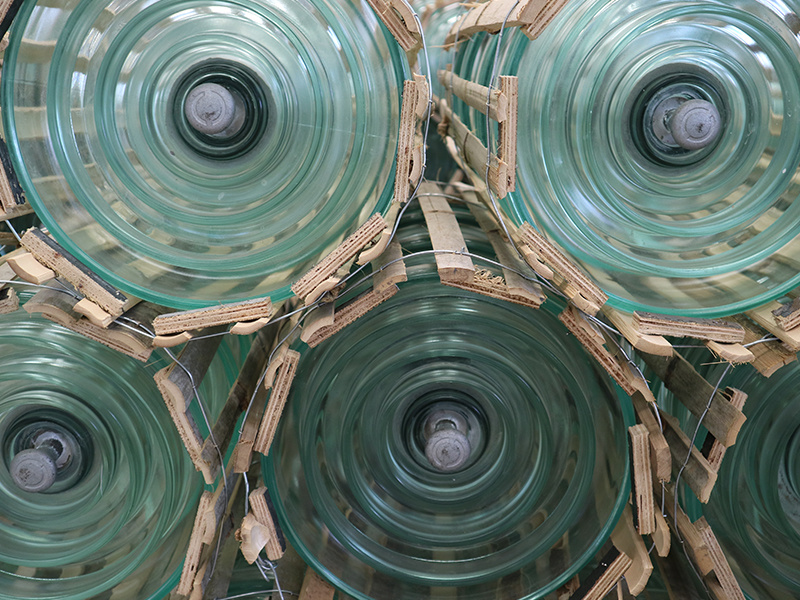
We adopt advanced manufacturing processes, strictly control every step to ensure product performance, and lead industry standards through technological innovation.


Mobile/WeChat
Address
Hejian City, Cangzhou City, Hebei Province