
Understanding Post Composite Insulators: Key Insights for the Electrical Industry
2026-09-27


---
Composite insulators have emerged as a vital component in the electrical utility industry, particularly in high-voltage applications. Among these, post composite insulators are noteworthy for their unique design and effective performance. Understanding the features and benefits of these insulators can provide significant advantages to professionals in the electrical sector.
Post composite insu
---
Composite insulators have emerged as a vital component in the electrical utility industry, particularly in high-voltage applications. Among these, post composite insulators are noteworthy for their unique design and effective performance. Understanding the features and benefits of these insulators can provide significant advantages to professionals in the electrical sector.
Post composite insulators are typically made from a combination of materials, including fiberglass reinforced plastic (FRP) and silicone rubber. This composition enhances their mechanical strength and electrical insulation properties, making them highly suitable for various applications, including substations, overhead lines, and other high-voltage installations. One of the main advantages of post composite insulators is their lightweight nature, which facilitates easier handling and installation compared to traditional ceramic insulators.
Moreover, the hydrophobic nature of silicone rubber used in post composite insulators helps to minimize the accumulation of contaminants, thus reducing the risk of electrical tracking and flashover. This characteristic is particularly beneficial in environments where pollution levels are high, ensuring that the insulators maintain their integrity and performance over time.
In addition to their insulative properties, post composite insulators exhibit exceptional resistance to thermal and mechanical stress. They can withstand extreme weather conditions, making them ideal for a variety of climates. The durability of these insulators also translates to lower maintenance costs and longer service life, which are critical factors for utility companies aiming to optimize operational efficiency and reduce downtime.
When selecting post composite insulators, it is essential to consider several key factors. These include the voltage ratings, mechanical loading requirements, and environmental conditions where the insulators will be installed. Conducting a thorough assessment of these parameters will ensure that the chosen insulators meet the specific needs of the application and comply with relevant industry standards.
In conclusion, post composite insulators represent a significant advancement in insulation technology within the electrical industry. Their lightweight design, excellent insulation properties, and resistance to environmental factors make them a preferred choice for many applications. Professionals in the field should stay informed about advancements in this technology and continuously evaluate the performance of insulators to ensure the reliability and safety of electrical systems. Embracing these innovations can lead to enhanced operational efficiencies and a reduction in long-term costs, making them a valuable consideration for any electrical project.
Keywords:
Recommended
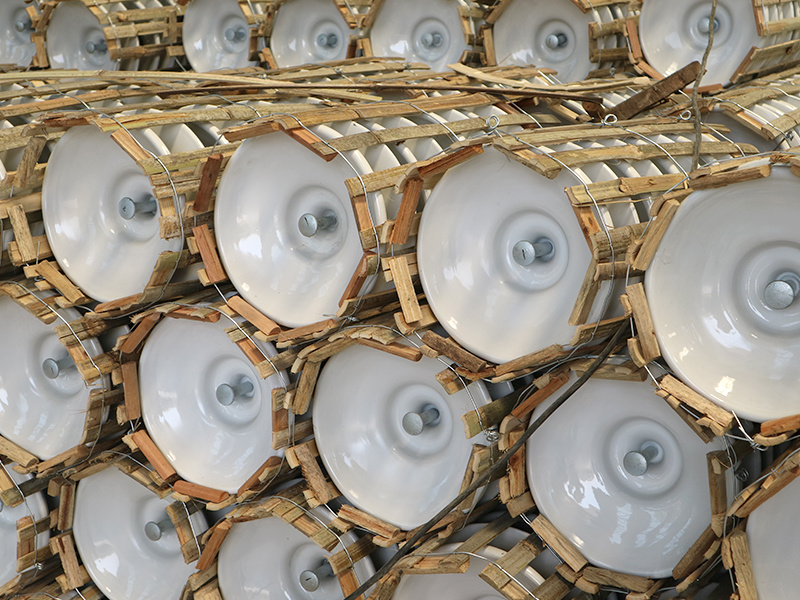
Ceramic insulators are insulators made of ceramic materials such as alumina.
High Durability: Ceramic insulators possess high resistivity, high dielectric strength, excellent mechanical properties, and the ability to dissipate heat and insulate in humid and corrosive environments.
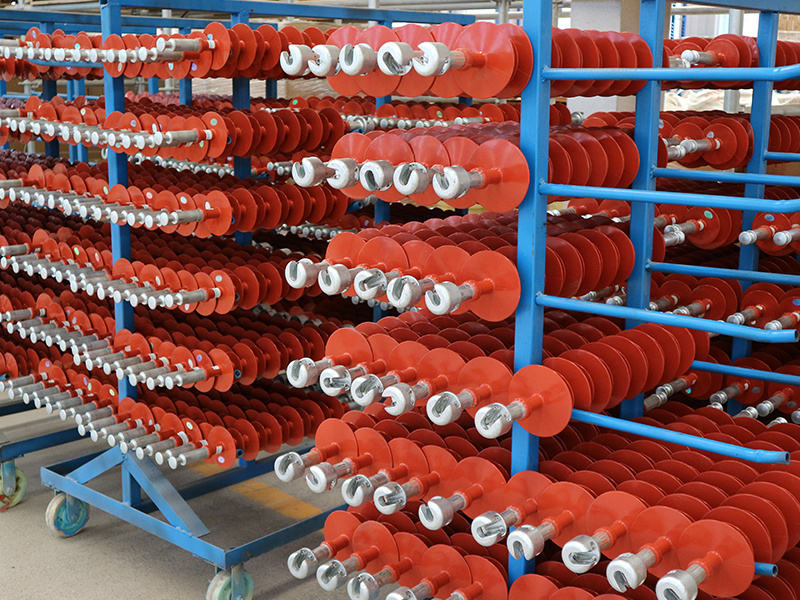
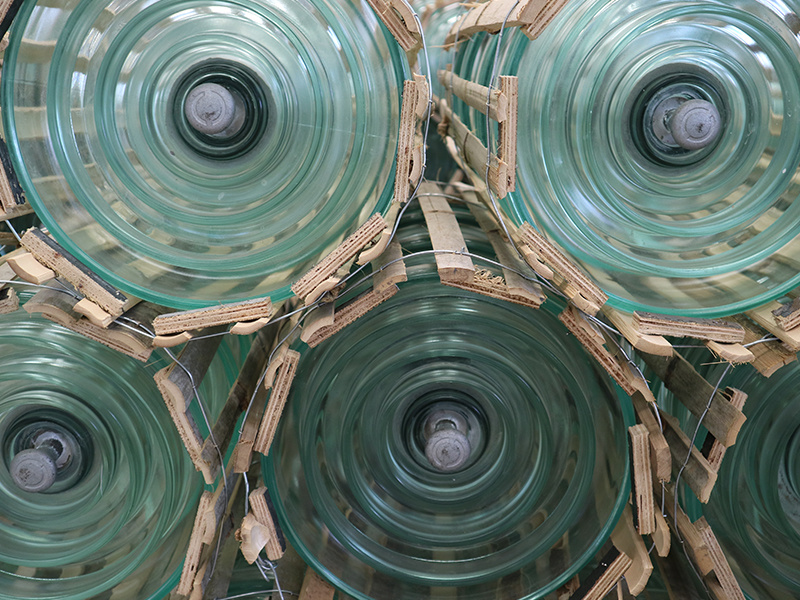

We adopt advanced manufacturing processes, strictly control every step to ensure product performance, and lead industry standards through technological innovation.


Mobile/WeChat
Address
Hejian City, Cangzhou City, Hebei Province