
Why Choose Composite Insulators for Your Electrical Projects? The Ultimate Guide to Modern Insulation Solutions
2026-09-23


Why Choose Composite Insulators for Your Electrical Projects?
In the rapidly evolving world of electrical engineering, selecting the right insulation materials is paramount. **Composite insulators** have emerged as a game changer, offering superior performance compared to traditional ceramic and glass options. In this comprehensive guide, we will explore the myriad benefits of using composite insu
Why Choose Composite Insulators for Your Electrical Projects?
In the rapidly evolving world of electrical engineering, selecting the right insulation materials is paramount. **Composite insulators** have emerged as a game changer, offering superior performance compared to traditional ceramic and glass options. In this comprehensive guide, we will explore the myriad benefits of using composite insulators for your electrical projects, delving into their manufacturing processes, applications, and the reasons behind their growing popularity.
Table of Contents
- 1. Benefits of Composite Insulators
- 2. Manufacturing Process of Composite Insulators
- 3. Applications in the Electricity Sector
- 4. Comparison with Traditional Insulators
- 5. Maintenance and Longevity of Composite Insulators
- 6. Environmental Impact of Composite Insulators
- 7. Cost-Effectiveness of Composite Insulators
- 8. The Future of Composite Insulators in Electrical Engineering
- 9. FAQs About Composite Insulators
1. Benefits of Composite Insulators
Composite insulators are crafted from a mixture of materials, primarily polymers and glass fibers, resulting in several significant benefits:
1.1 Superior Mechanical Strength
These insulators provide exceptional mechanical strength, making them resistant to breakage and deformation under stress. This strength is crucial in high-voltage applications where insulators face extreme conditions.
1.2 Lightweight Design
The lightweight nature of composite insulators translates to easier handling and installation. This characteristic allows for reduced transportation costs and less strain on supporting structures.
1.3 Resistance to Environmental Factors
Composite insulators exhibit excellent resistance to environmental factors such as UV radiation, moisture, and extreme temperatures. This resilience ensures that they maintain their performance over extended periods, even in harsh climates.
1.4 Reduced Pollution Accumulation
Unlike traditional materials, composite insulators minimize the accumulation of pollution, resulting in lower maintenance requirements and enhanced reliability. This feature is particularly beneficial in urban environments where pollution levels are high.
2. Manufacturing Process of Composite Insulators
Understanding how composite insulators are manufactured can provide insights into their performance and applications.
2.1 Raw Material Selection
The first step in creating composite insulators involves selecting high-quality raw materials. The polymers used are engineered for electrical insulation, while glass fibers add mechanical strength.
2.2 Molding and Shaping
The selected materials are then molded into the desired shape using specialized techniques such as pultrusion or injection molding. These methods ensure uniformity and consistency in the final product.
2.3 Surface Treatment
To enhance their performance, composite insulators undergo surface treatments that improve their hydrophobic properties. This treatment is crucial for reducing the risk of flashovers in wet conditions.
2.4 Quality Testing
Before reaching the market, composite insulators are subjected to rigorous quality testing. This testing includes electrical, mechanical, and environmental assessments to ensure that they meet industry standards.
3. Applications in the Electricity Sector
Composite insulators find applications across various sectors of the electrical industry, showcasing their versatility and efficiency.
3.1 High-Voltage Transmission Lines
Composite insulators are widely used in high-voltage transmission lines due to their reliability and performance in adverse weather conditions. Their lightweight design reduces the load on towers, allowing for more efficient energy transfer.
3.2 Substations
In substations, composite insulators help to maintain safety and efficiency by providing reliable insulation at various voltage levels. Their durability ensures long-term performance, reducing the need for frequent replacements.
3.3 Renewable Energy Projects
As the world shifts toward renewable energy, composite insulators are becoming increasingly popular in wind and solar power applications. Their resistance to environmental factors makes them ideal for outdoor installations.
3.4 Rail Electrification Systems
In rail electrification systems, composite insulators provide essential insulation for overhead lines, ensuring safe and efficient train operations. Their lightweight nature contributes to overall system efficiency.
4. Comparison with Traditional Insulators
To better understand the advantages of composite insulators, let’s compare them with traditional ceramic and glass insulators.
4.1 Durability
While ceramic and glass insulators are known for their durability, composite insulators outperform them in terms of resistance to mechanical stress and environmental factors, leading to longer service life.
4.2 Weight
Composite insulators are significantly lighter than their ceramic and glass counterparts, which simplifies installation and reduces transportation costs, making them a more practical choice for many projects.
4.3 Maintenance Requirements
Due to their reduced pollution accumulation and superior hydrophobic properties, composite insulators require less maintenance compared to traditional insulators, resulting in lower long-term costs.
5. Maintenance and Longevity of Composite Insulators
One of the standout features of composite insulators is their unparalleled longevity and low maintenance requirements.
5.1 Long Service Life
The advanced materials used in composite insulators provide a service life that can often exceed 30 years. This longevity makes them a cost-effective solution in the long run.
5.2 Minimal Maintenance Intervals
The hydrophobic surface treatment of composite insulators reduces the need for frequent cleaning and maintenance. Operators can enjoy peace of mind knowing that these insulators will perform reliably with minimal intervention.
6. Environmental Impact of Composite Insulators
The manufacturing and application of composite insulators also have positive environmental implications.
6.1 Reduced Carbon Footprint
The production process for composite insulators typically involves less energy consumption compared to ceramic and glass insulators, leading to a lower carbon footprint.
6.2 Recyclable Materials
Many components of composite insulators can be recycled at the end of their life cycle, further contributing to sustainability efforts in the electrical industry.
7. Cost-Effectiveness of Composite Insulators
Investing in composite insulators can lead to significant cost savings over time.
7.1 Initial Investment vs. Long-Term Savings
While the initial cost of composite insulators may be higher than traditional options, their durability and low maintenance requirements result in substantial long-term savings.
7.2 Reduced Operational Costs
The lightweight nature of composite insulators leads to reduced transportation and installation costs. Additionally, their longevity and reduced maintenance needs mean lower operational costs for electrical utilities.
8. The Future of Composite Insulators in Electrical Engineering
As technology continues to advance, the future of composite insulators looks promising.
8.1 Innovations in Material Science
Ongoing research in material science is expected to yield even more advanced composite materials, further enhancing the performance characteristics of insulators.
8.2 Increasing Adoption Across Industries
As industries become more aware of the benefits of composite insulators, their adoption will likely increase, leading to a shift in industry standards and practices.
8.3 Policy and Regulation Changes
With a growing emphasis on sustainability and efficiency, regulatory bodies are likely to promote the use of composite insulators, further driving their market growth.
9. FAQs About Composite Insulators
9.1 What are composite insulators made of?
Composite insulators are primarily made from polymers and glass fibers, which provide excellent electrical insulation and mechanical strength.
9.2 How do composite insulators perform in extreme weather?
Composite insulators are designed to withstand extreme temperatures, UV radiation, and moisture, making them highly reliable in various environmental conditions.
9.3 What is the lifespan of composite insulators?
Composite insulators typically have a lifespan of over 30 years, depending on environmental conditions and maintenance.
9.4 Are composite insulators more expensive than traditional insulators?
While the initial cost may be higher, composite insulators offer significant long-term savings due to their durability and low maintenance needs.
9.5 Can composite insulators be recycled?
Yes, many components of composite insulators can be recycled, contributing to their environmental sustainability.
Conclusion
In the realm of electrical engineering, **composite insulators** stand out as a superior choice for a variety of applications. Their unique combination of **mechanical strength**, **lightweight design**, and **environmental resilience** make them an invaluable asset in modern electrical projects. As industries continue to prioritize sustainability and efficiency, the adoption of composite insulators is expected to rise, shaping the future of electrical insulation solutions. Investing in composite insulators not only enhances the performance of electrical systems but also contributes to a more sustainable and cost-effective approach in the electrical industry.
Keywords:
Recommended
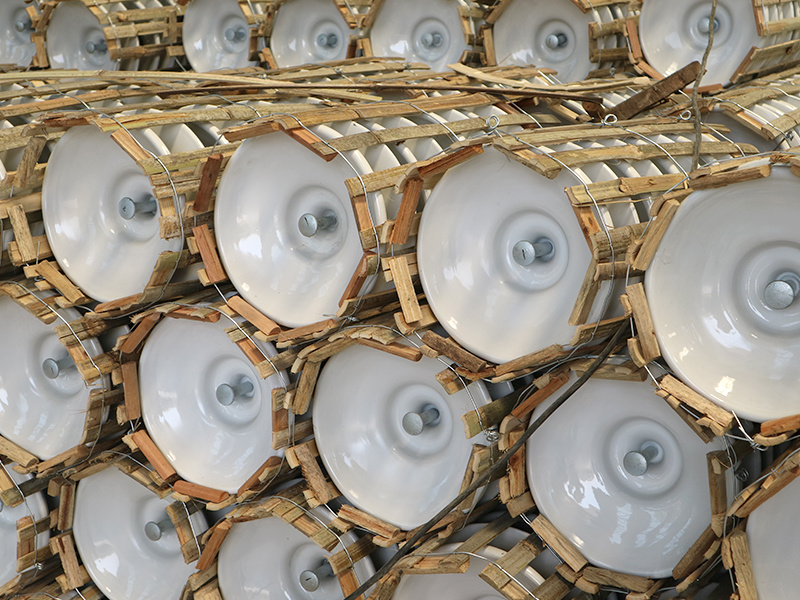
Ceramic insulators are insulators made of ceramic materials such as alumina.
High Durability: Ceramic insulators possess high resistivity, high dielectric strength, excellent mechanical properties, and the ability to dissipate heat and insulate in humid and corrosive environments.
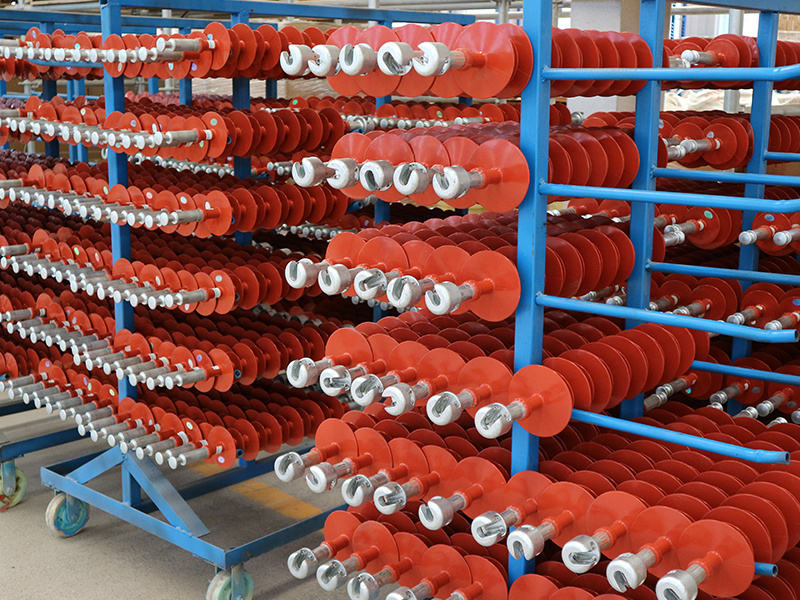
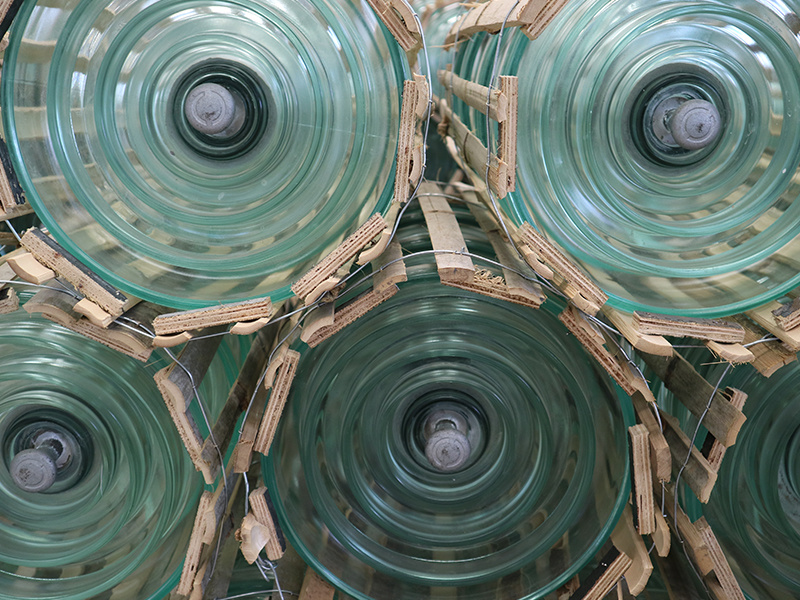

We adopt advanced manufacturing processes, strictly control every step to ensure product performance, and lead industry standards through technological innovation.


Mobile/WeChat
Address
Hejian City, Cangzhou City, Hebei Province