
Understanding Needle Type Composite Insulators: Key Features and Benefits
2026-09-19


Needle type composite insulators are increasingly recognized for their effectiveness in electrical insulation applications. Designed to meet the demanding requirements of modern power systems, these insulators utilize advanced materials that combine strength, durability, and electrical performance. Their construction typically features a core made of fiberglass reinforced plastic, which contribute
Needle type composite insulators are increasingly recognized for their effectiveness in electrical insulation applications. Designed to meet the demanding requirements of modern power systems, these insulators utilize advanced materials that combine strength, durability, and electrical performance. Their construction typically features a core made of fiberglass reinforced plastic, which contributes to both mechanical stability and dielectric properties. This allows needle type composite insulators to withstand harsh environmental conditions while providing optimal insulation.
One of the primary advantages of needle type composite insulators is their lightweight design. Compared to traditional ceramic or glass insulators, these composite variants are significantly lighter, making them easier to transport and install. This reduction in weight contributes to lower installation costs and simplifies maintenance procedures. Additionally, their streamlined shape allows for reduced wind loads, which is particularly beneficial in regions prone to high winds.
Another critical aspect of needle type composite insulators is their exceptional resistance to environmental factors. They are engineered to resist moisture, ultraviolet (UV) radiation, and pollution, which can significantly degrade the performance of traditional insulators. The use of hydrophobic materials ensures that water does not accumulate on the surface, helping to maintain high electrical performance even in adverse conditions. This characteristic is especially important in coastal areas or regions with significant industrial pollution, where conventional insulators might fail prematurely.
In terms of electrical performance, needle type composite insulators exhibit superior dielectric strength. This feature allows them to withstand high voltage applications, making them suitable for various electrical infrastructure, including transmission lines and substations. Their design helps minimize the risk of flashovers, ensuring a more reliable operation of electrical systems.
Moreover, these insulators can be customized to meet specific operational needs. Manufacturers can tailor their length, diameter, and material composition based on the application requirements, providing flexibility for different industries. This adaptability ensures that needle type composite insulators can meet the diverse challenges faced by electrical engineers and utility companies.
In conclusion, needle type composite insulators represent a significant advancement in insulation technology within the electrical and electrical insulation industry. Their combination of lightweight design, environmental resilience, and excellent electrical properties makes them a preferred choice for modern power systems. By understanding their benefits and applications, professionals in the field can make informed decisions that enhance the reliability and efficiency of their electrical infrastructure. As the demand for more robust and efficient insulation solutions continues to grow, the role of needle type composite insulators will undoubtedly become more prominent in future projects.
Keywords:
Recommended
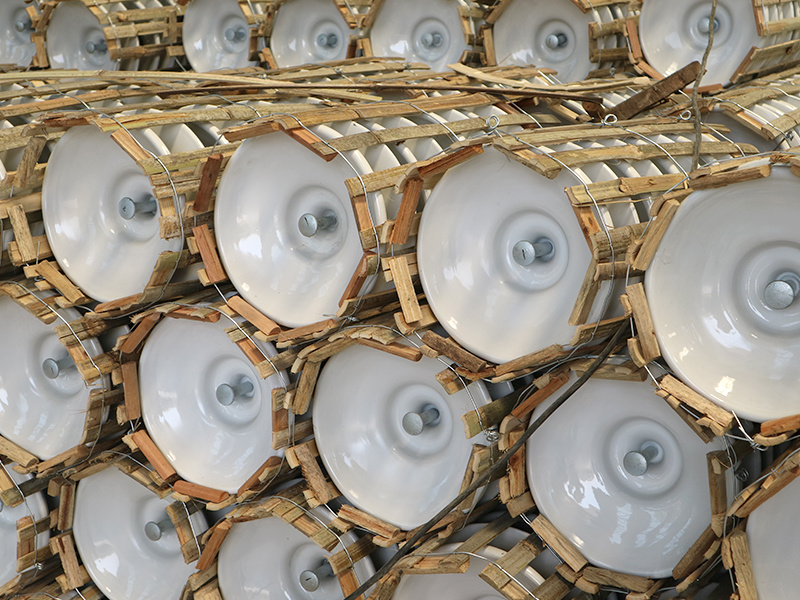
Ceramic insulators are insulators made of ceramic materials such as alumina.
High Durability: Ceramic insulators possess high resistivity, high dielectric strength, excellent mechanical properties, and the ability to dissipate heat and insulate in humid and corrosive environments.
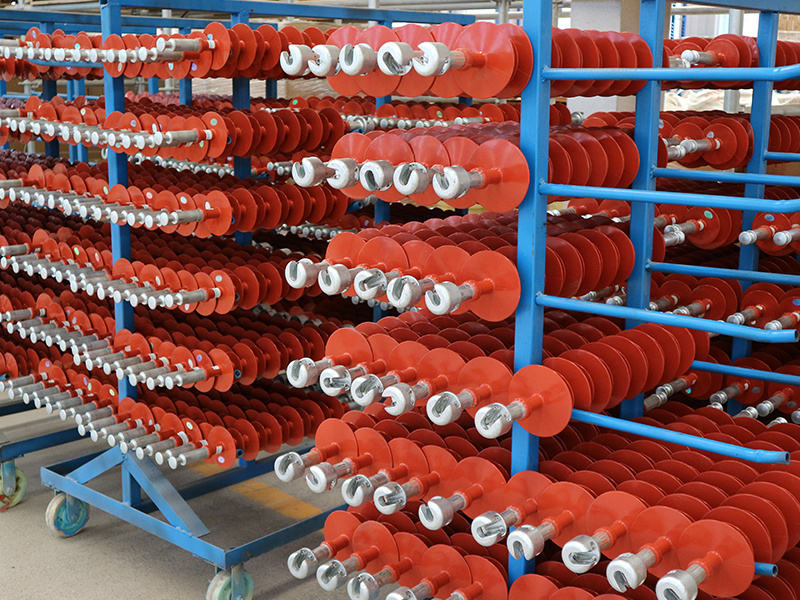
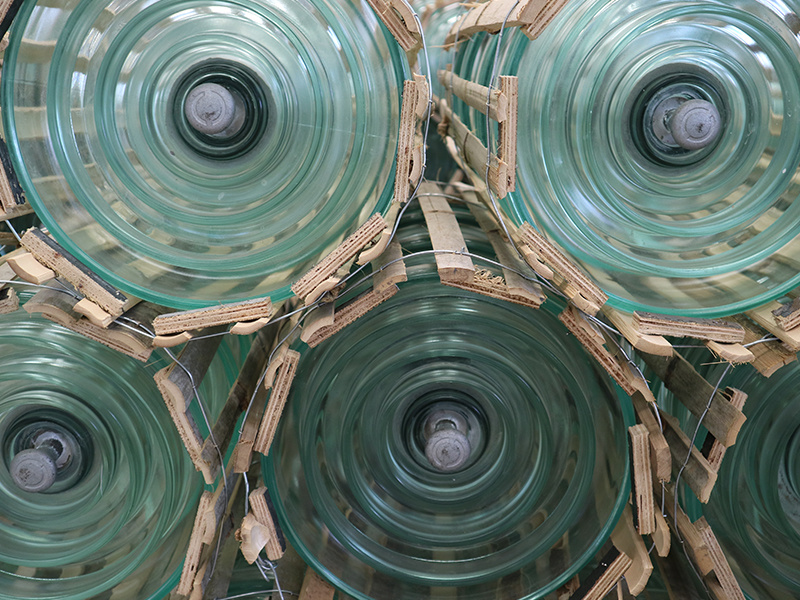

We adopt advanced manufacturing processes, strictly control every step to ensure product performance, and lead industry standards through technological innovation.


Mobile/WeChat
Address
Hejian City, Cangzhou City, Hebei Province