
Why Choose Composite Insulators for Electrical Applications? The Ultimate Guide to Superior Insulation Solutions
2026-09-15


Why Choose Composite Insulators for Electrical Applications?
In today's rapidly evolving electrical landscape, the choice of insulation materials is crucial for ensuring system reliability and safety. **Composite insulators** have emerged as a game-changer in electrical applications. This article explores the many advantages of composite insulators and why they are favored over traditional insulat
Why Choose Composite Insulators for Electrical Applications?
In today's rapidly evolving electrical landscape, the choice of insulation materials is crucial for ensuring system reliability and safety. **Composite insulators** have emerged as a game-changer in electrical applications. This article explores the many advantages of composite insulators and why they are favored over traditional insulators like porcelain and glass.
Table of Contents
- Introduction to Composite Insulators
- What Are Composite Insulators?
- Benefits of Composite Insulators
- Lightweight and Durable
- Superior Thermal Performance
- Resistance to Environmental Factors
- Long Lifespan and Reduced Maintenance
- Applications of Composite Insulators
- Choosing the Right Composite Insulator
- Composite Insulator Manufacturing Process
- The Future of Composite Insulators
- FAQs
- Conclusion
Introduction to Composite Insulators
Electrical insulation is a vital part of any electrical system. Traditionally, materials like porcelain and glass have been the standard for insulators. However, the introduction of **composite materials** has revolutionized the industry. Composite insulators are designed to overcome the limitations of traditional insulation materials, offering enhanced performance and adaptability.
What Are Composite Insulators?
Composite insulators are electrical insulators made from a combination of materials, typically including a fiberglass rod surrounded by polymeric materials. This construction offers several advantages, such as lightweight properties, high mechanical strength, and excellent dielectric performance. Composite insulators are designed to withstand high voltages and harsh environmental conditions, making them suitable for various applications in the electrical industry.
Benefits of Composite Insulators
The advantages of using composite insulators over traditional materials cannot be overstated. Here, we delve into the primary benefits that make composite insulators an attractive option for electrical applications.
Lightweight and Durable
One of the most significant advantages of composite insulators is their lightweight nature. Weighing considerably less than their porcelain or glass counterparts, composite insulators are easier and cheaper to transport and install. Their reduced weight also translates into less mechanical stress on supporting structures, which can lead to lower overall installation costs.
Additionally, the durability of composite insulators is remarkable. They are designed to withstand extreme mechanical stresses and environmental conditions, ensuring longevity and reliability.
Superior Thermal Performance
Composite insulators exhibit superior thermal performance compared to traditional materials. They can maintain their insulating properties across a wide range of temperatures, ensuring that they remain effective even in extreme conditions. This characteristic makes them suitable for diverse climates, from scorching heat to freezing temperatures.
Resistance to Environmental Factors
Environmental factors can significantly impact the performance of electrical insulators. Composite insulators are engineered to resist various environmental conditions, including pollution, moisture, and UV exposure. Unlike porcelain and glass, which can degrade over time, composite materials maintain their integrity, ensuring consistent performance.
Moreover, composite insulators are less susceptible to breakage and are more tolerant of insulator contamination, making them ideal for areas with high pollution levels.
Long Lifespan and Reduced Maintenance
The lifespan of composite insulators far exceeds that of traditional insulators. Their robust construction minimizes wear and tear, reducing the frequency of replacements. Consequently, this longevity leads to lower maintenance costs for electrical utilities and businesses.
Composite insulators also require less frequent cleaning compared to traditional insulators, which often necessitate regular maintenance to remove contaminants that can affect performance. This further enhances their appeal in long-term electrical applications.
Applications of Composite Insulators
The versatility of composite insulators allows them to be utilized across various sectors within the electrical industry:
1. **Power Transmission**: Composite insulators are widely used in high-voltage transmission lines where their lightweight and durable properties reduce the burden on tower structures.
2. **Substations**: They are ideal for use in substations, where they can withstand high voltages and environmental stresses without compromising safety or performance.
3. **Renewable Energy**: With the growing emphasis on renewable energy sources, composite insulators are increasingly favored in wind and solar energy applications due to their durability and resistance to corrosion.
4. **Railways**: Composite insulators are used in railway electrification systems, providing reliable insulation in demanding environments.
Choosing the Right Composite Insulator
Selecting the appropriate composite insulator for a specific application involves several critical considerations:
- **Voltage Rating**: Ensure the insulator can handle the voltage levels specific to your application.
- **Environmental Conditions**: Assess the environmental factors (pollution, humidity, temperature) the insulator will be exposed to.
- **Mechanical Strength**: Consider the mechanical stress the insulator will face, especially in high-wind or seismic areas.
- **Material Composition**: Different composite materials offer varied properties, so choose one that aligns with your operational needs.
Consulting with experts in electrical insulation can provide invaluable guidance in making the right choice.
Composite Insulator Manufacturing Process
Understanding how composite insulators are manufactured can provide insight into their quality and reliability. The process typically involves:
1. **Material Selection**: High-quality fiberglass and polymer materials are chosen for their specific properties.
2. **Molding**: The polymeric materials are molded around the fiberglass rod to create the insulator's body.
3. **Curing**: The molded insulator undergoes a curing process to achieve the desired strength and durability.
4. **Testing**: Finished insulators are rigorously tested for electrical and mechanical properties to ensure they meet industry standards.
This meticulous manufacturing process guarantees that composite insulators are reliable and perform exceptionally well in challenging conditions.
The Future of Composite Insulators
As technology advances, the future of composite insulators looks promising. Innovations in material science could lead to even more efficient and durable insulators. Moreover, the increasing focus on renewable energy and sustainable practices positions composite insulators as a key component in the renewable infrastructure of the future.
The demand for reliable and efficient electrical systems will continue to drive the development of advanced composite materials, ensuring that composite insulators remain at the forefront of electrical insulation technology.
FAQs
1. What are the primary materials used in composite insulators?
Composite insulators are typically made from a combination of fiberglass and polymeric materials, which provide excellent mechanical strength and electrical insulation properties.
2. How do composite insulators compare to traditional porcelain insulators?
Composite insulators are lighter, more durable, and less prone to breakage than porcelain insulators. They also exhibit superior resistance to environmental factors and require less maintenance.
3. Can composite insulators withstand extreme weather conditions?
Yes, composite insulators are designed to perform effectively in a wide range of temperatures and weather conditions, making them suitable for diverse environments.
4. What is the lifespan of a composite insulator?
Composite insulators can last significantly longer than traditional insulators, often exceeding 30 years with proper installation and maintenance.
5. Are composite insulators environmentally friendly?
Composite insulators are designed for durability and longevity, which reduces waste. Some composite materials can also be recycled, contributing to a more sustainable electrical infrastructure.
Conclusion
Composite insulators are revolutionizing the electrical industry, offering numerous advantages over traditional insulators. Their lightweight design, exceptional durability, and resistance to environmental factors make them the preferred choice for modern electrical applications. As we continue to innovate and expand our reliance on electrical energy, composite insulators will play an essential role in ensuring the reliability, efficiency, and sustainability of our electrical systems. By selecting composite insulators, businesses and utilities can benefit from long-lasting and low-maintenance solutions that meet the demands of today's energy landscape.
Keywords:
Recommended
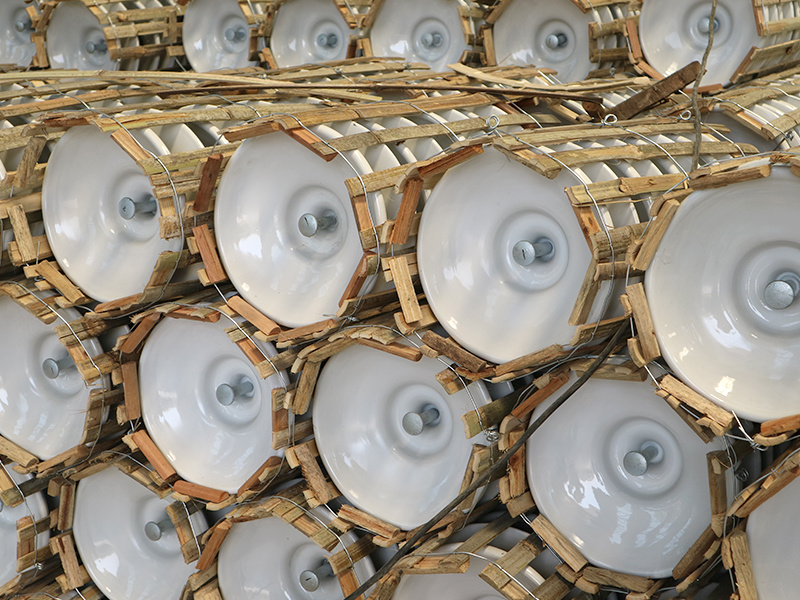
Ceramic insulators are insulators made of ceramic materials such as alumina.
High Durability: Ceramic insulators possess high resistivity, high dielectric strength, excellent mechanical properties, and the ability to dissipate heat and insulate in humid and corrosive environments.
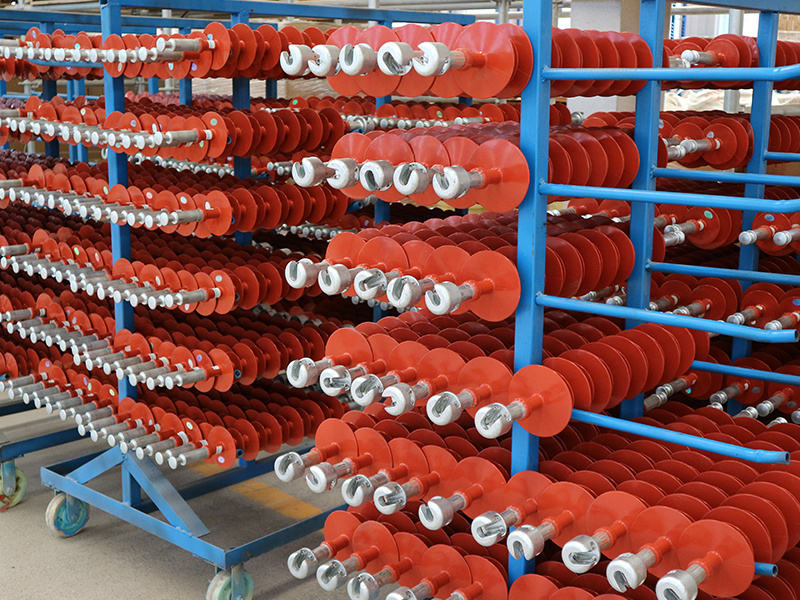
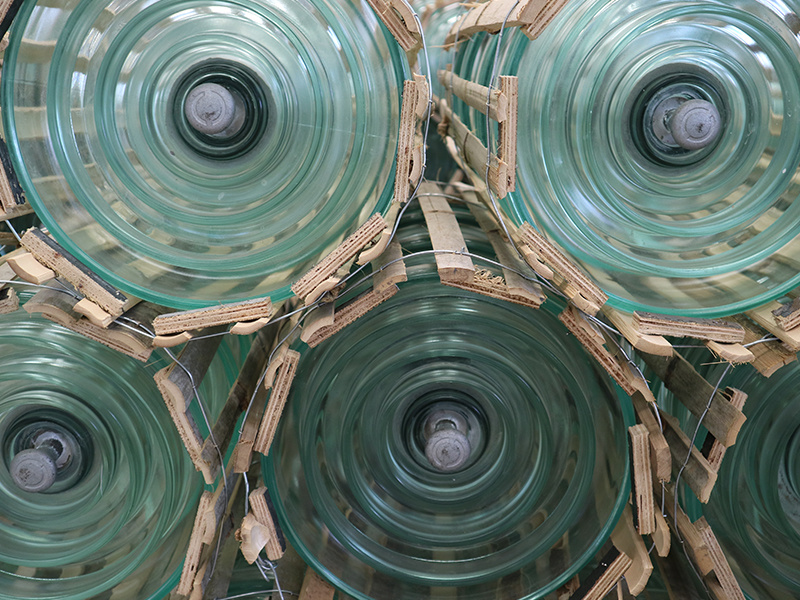

We adopt advanced manufacturing processes, strictly control every step to ensure product performance, and lead industry standards through technological innovation.


Mobile/WeChat
Address
Hejian City, Cangzhou City, Hebei Province