
Understanding Polymer Insulators: The Future of Electrical Insulation
2026-09-11


Polymer insulators are an essential component in the electrical engineering sector, specifically in the realm of insulation materials. These insulators are primarily made from advanced polymeric compounds, which enable them to perform exceptionally well in various environmental conditions. Unlike traditional ceramic or glass insulators, polymer insulators offer unique benefits that make them incre
Polymer insulators are an essential component in the electrical engineering sector, specifically in the realm of insulation materials. These insulators are primarily made from advanced polymeric compounds, which enable them to perform exceptionally well in various environmental conditions. Unlike traditional ceramic or glass insulators, polymer insulators offer unique benefits that make them increasingly popular for high-voltage applications.
One of the key advantages of polymer insulators is their lightweight nature. This characteristic not only reduces the overall weight of transmission lines but also simplifies the installation process. With less structural support required, the installation and maintenance costs can be significantly lowered. Additionally, the reduced weight translates into lesser mechanical stress on the infrastructure, enhancing its longevity and reliability.
Another benefit of polymer insulators is their excellent hydrophobic properties. Unlike traditional materials that may absorb moisture, leading to reduced performance or failure, polymer insulators repel water. This characteristic is particularly important in areas prone to heavy rainfall, as it helps maintain a dry surface, thereby reducing the risk of electrical failure due to tracking and flashover.
The durability of polymer insulators is also noteworthy. They are designed to withstand extreme temperatures and harsh environmental conditions, including UV radiation, pollution, and chemical exposure. This resilience makes them suitable for various applications, from urban environments to remote locations, ensuring consistent performance over an extended period.
Moreover, polymer insulators are highly adaptable and can be engineered to meet specific requirements. For instance, they can be tailored to different voltage levels, mechanical stresses, and environmental conditions. This customization capability is a significant advantage in modern electrical systems, where diverse operational challenges must be addressed.
In terms of applications, polymer insulators are widely used in overhead power lines, substations, and railway electrification systems. Their versatility allows them to be applied in various configurations, enhancing the efficiency and safety of electrical networks across different industries.
In conclusion, polymer insulators represent a significant advancement in electrical insulation technology. Their lightweight, hydrophobic, and durable nature makes them an ideal choice for modern electrical infrastructure. As the demands of the electrical engineering industry continue to evolve, the role of polymer insulators will undoubtedly expand, paving the way for more efficient and reliable electrical systems. Embracing these innovations is crucial for professionals looking to enhance the performance and longevity of their electrical installations.
Keywords:
Recommended
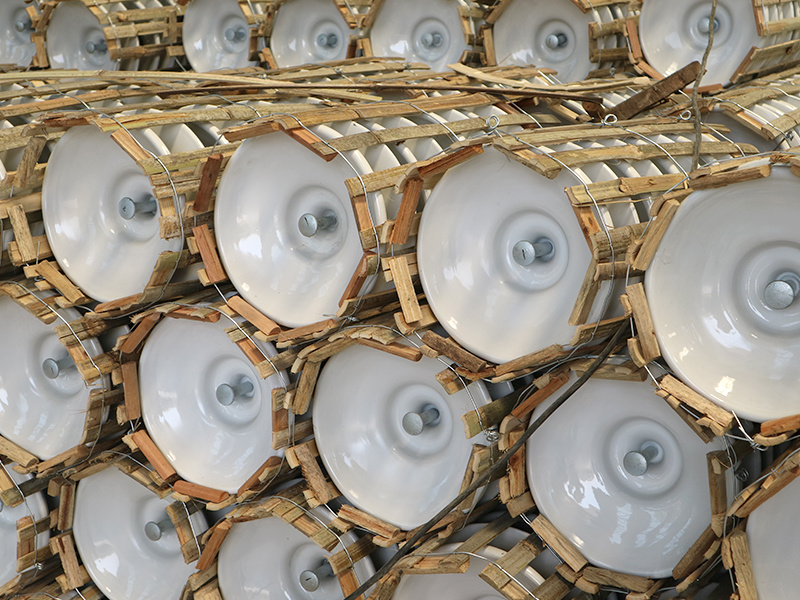
Ceramic insulators are insulators made of ceramic materials such as alumina.
High Durability: Ceramic insulators possess high resistivity, high dielectric strength, excellent mechanical properties, and the ability to dissipate heat and insulate in humid and corrosive environments.
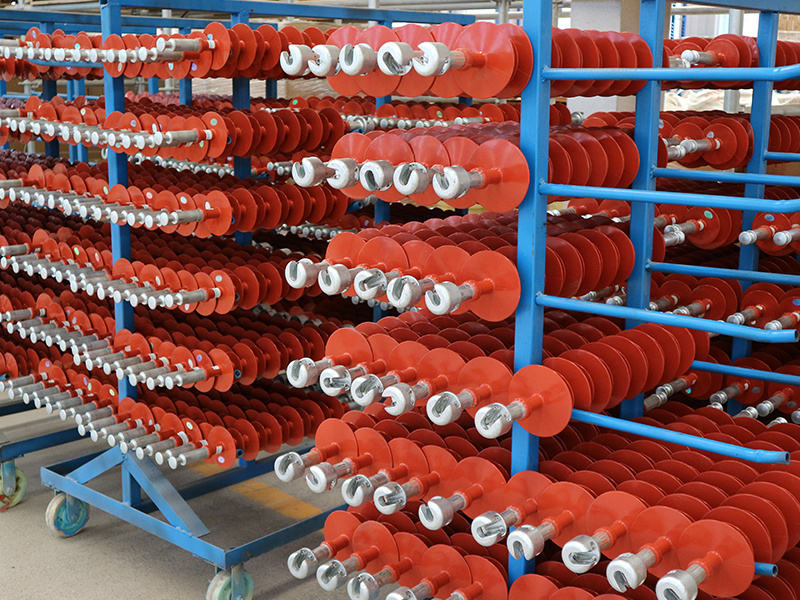
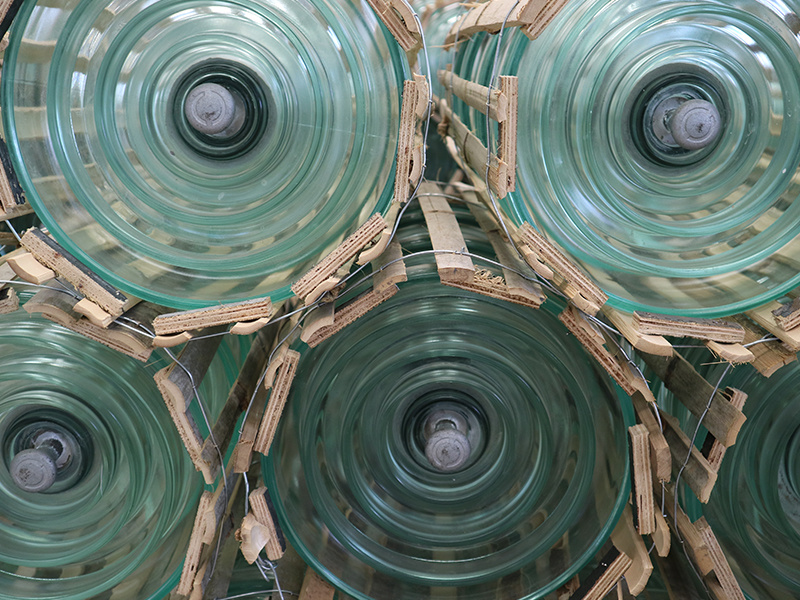

We adopt advanced manufacturing processes, strictly control every step to ensure product performance, and lead industry standards through technological innovation.


Mobile/WeChat
Address
Hejian City, Cangzhou City, Hebei Province