
Top Benefits of Using Composite Insulators for Electrical Insulation
2026-09-07


Top Benefits of Using Composite Insulators for Electrical Insulation
Introduction to Composite Insulators
Composite insulators have emerged as a game-changer in the field of electrical insulation. Constructed from a combination of materials, primarily polymeric compounds reinforced with fiber glass, these insulators offer superior performance compared to traditional materials like porcelain and gl
Top Benefits of Using Composite Insulators for Electrical Insulation
Introduction to Composite Insulators
Composite insulators have emerged as a game-changer in the field of electrical insulation. Constructed from a combination of materials, primarily polymeric compounds reinforced with fiber glass, these insulators offer superior performance compared to traditional materials like porcelain and glass. As demand grows for reliable electrical systems, understanding the benefits of composite insulators becomes critical for industry professionals and organizations.
Why Choose Composite Insulators?
The use of composite insulators is becoming increasingly popular due to their unique properties that enhance both safety and performance. Below, we outline the key benefits that make composite insulators the preferred choice for electrical applications.
1. Superior Mechanical Strength
Composite insulators are remarkably strong, capable of withstanding harsh environmental conditions and mechanical stresses. Their lightweight nature allows for easier handling and installation, reducing labor costs. Additionally, their tensile strength ensures they remain intact under extreme conditions, ensuring continuous operation.
2. Excellent Insulation Performance
The dielectric strength of composite insulators is significantly higher than that of traditional materials. This improved performance reduces the likelihood of electrical leakage and failure, enhancing the reliability of electrical systems. The uniformity of their insulating properties also ensures consistent performance across varying conditions.
3. Resistance to Weathering and Pollution
Composite insulators are engineered to resist the effects of UV radiation, precipitation, and chemical pollutants. Their hydrophobic nature prevents water accumulation, minimizing the risk of flashover and maintaining optimal performance in polluted environments. This resistance contributes to a longer lifespan, reducing replacement frequencies.
3.1 Longevity in Harsh Conditions
In regions prone to extreme weather, such as heavy rainfall or salt exposure, composite insulators outperform traditional insulators. Their ability to withstand such conditions contributes to a longer operational lifespan, which directly translates to lower maintenance and replacement costs.
4. Lightweight and Compact Design
The lightweight nature of composite insulators simplifies transportation and installation processes. Installers can work with fewer resources, while the compact design allows for more efficient use of space in substations and overhead lines. This is particularly beneficial in urban areas where space is limited.
5. Reduced Maintenance Requirements
Composite insulators require less maintenance compared to their porcelain counterparts. Their robust design and resistance to environmental factors mean that they do not require frequent inspections or cleaning. This results in decreased operational costs and increased system reliability.
5.1 Cost-Effectiveness Over Time
While the initial investment in composite insulators may be higher, the long-term benefits significantly outweigh these costs. The reduced need for maintenance and longer lifespan results in substantial savings, making composite insulators a cost-effective solution for electrical insulation needs.
Applications of Composite Insulators
The versatility of composite insulators allows for their application across various sectors in the electrical industry. Here are several key areas of use:
1. Power Transmission and Distribution
Composite insulators are widely utilized in high-voltage power transmission lines. Their ability to endure extreme weather conditions and electrical stresses makes them an ideal choice for ensuring uninterrupted power delivery.
2. Renewable Energy Systems
With the rise of renewable energy sources, composite insulators play a crucial role in wind and solar energy systems. Their lightweight design facilitates easier installation of solar panels and wind turbines, enhancing energy efficiency.
3. Railway Electrification
In railway systems, composite insulators are used for overhead line electrification. Their durability and reliability contribute to safer and more efficient railway operations, ensuring that trains can operate at optimal performance levels.
4. Substation Infrastructure
Composite insulators are increasingly being deployed in substations due to their space-saving characteristics and reduced weight. This allows for more streamlined designs that enhance safety without compromising functionality.
Challenges and Considerations
While composite insulators present numerous benefits, it's essential to recognize potential challenges and considerations when selecting and implementing them.
1. Initial Cost Implications
The initial cost of composite insulators can be higher than traditional materials. Organizations must assess the cost versus the long-term savings from reduced maintenance and increased lifespan.
2. Compatibility with Existing Infrastructure
When upgrading to composite insulators, compatibility with existing infrastructure must be considered. Ensuring that they can be seamlessly integrated into current systems is critical for maintaining operational integrity.
Future Trends in Composite Insulator Technology
As technology continues to evolve, so too does the field of composite insulators. Here are some future trends to watch for:
1. Enhanced Material Development
Ongoing research is focused on developing even more advanced composite materials that enhance strength and insulation properties. Innovations in nanotechnology may lead to significantly improved performance metrics.
2. Smart Insulation Solutions
Integrating sensor technologies into composite insulators could lead to smarter electrical systems. Real-time monitoring of conditions would allow operators to predict maintenance needs and enhance overall system reliability.
FAQs
1. What are composite insulators made of?
Composite insulators are typically made from a combination of polymeric materials reinforced with fiberglass, providing them with enhanced mechanical strength and insulation properties.
2. How do composite insulators compare with traditional materials like porcelain?
Composite insulators offer superior mechanical strength, better resistance to environmental factors, and reduced maintenance needs compared to traditional porcelain or glass insulators.
3. What is the lifespan of composite insulators?
Composite insulators generally have a lifespan of 30 years or more, depending on environmental conditions and maintenance practices.
4. Are composite insulators suitable for high-voltage applications?
Yes, composite insulators are designed for high-voltage applications and have been extensively tested to ensure reliability and performance under such conditions.
5. Can composite insulators be used in extremely polluted environments?
Absolutely. Their hydrophobic properties and resistance to pollution make composite insulators ideal for use in highly polluted areas, ensuring continued performance without failure.
Conclusion
Composite insulators represent a significant advancement in electrical insulation technology, offering unparalleled benefits in strength, durability, and efficiency. As the electrical industry continues to evolve, the adoption of composite insulators will likely increase, leading to safer and more reliable power systems. By investing in composite insulators, organizations can not only enhance their operational efficiency but also contribute to a more sustainable future in electrical infrastructure. The long-term advantages of these innovative materials are clear, making them a smart choice for any electrical application.
Keywords:
Recommended
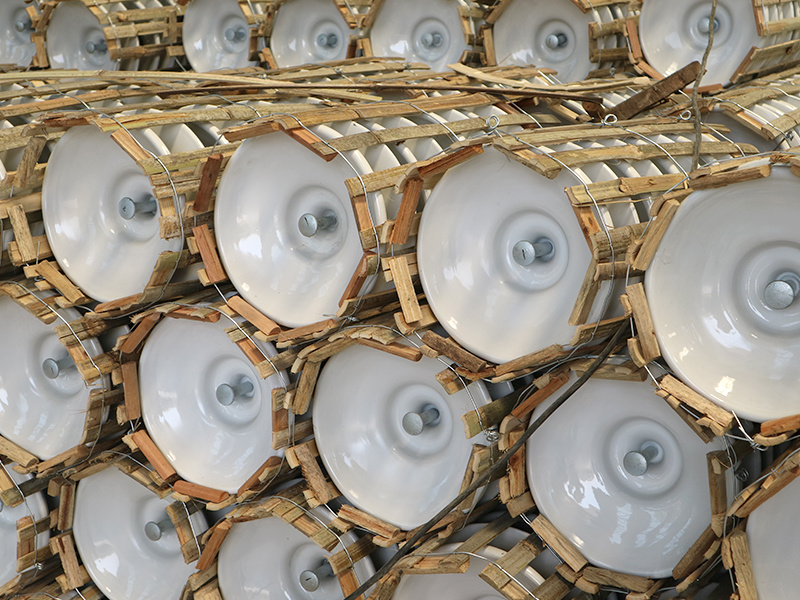
Ceramic insulators are insulators made of ceramic materials such as alumina.
High Durability: Ceramic insulators possess high resistivity, high dielectric strength, excellent mechanical properties, and the ability to dissipate heat and insulate in humid and corrosive environments.
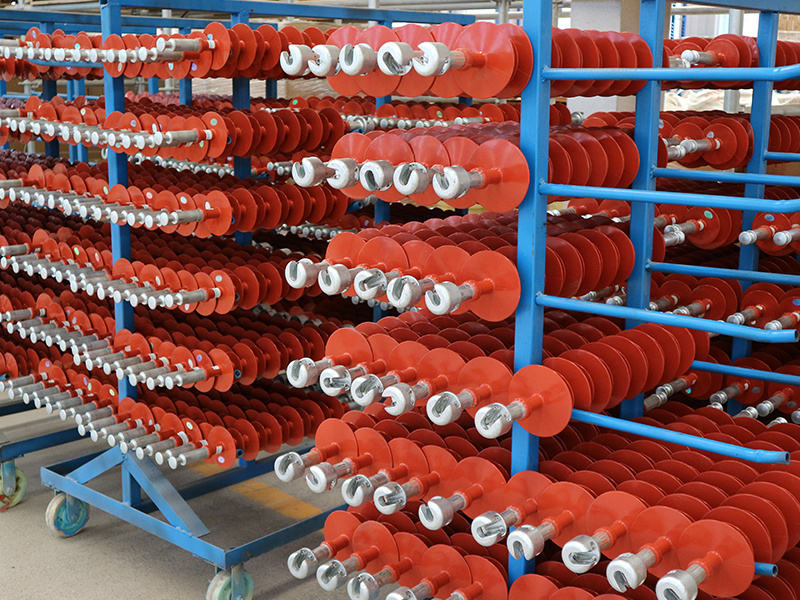
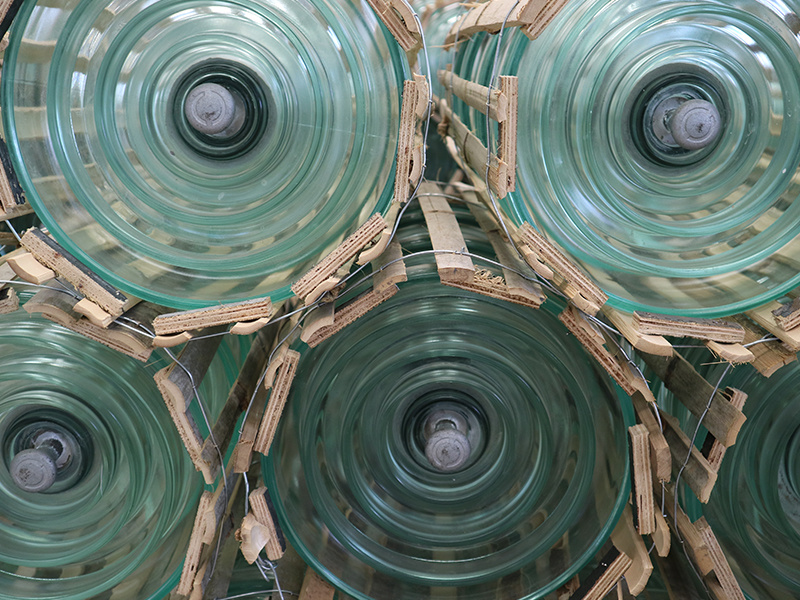

We adopt advanced manufacturing processes, strictly control every step to ensure product performance, and lead industry standards through technological innovation.


Mobile/WeChat
Address
Hejian City, Cangzhou City, Hebei Province