
Standard Glass Insulator: Reliable Protection and Long-Term Performance for Power Networks
2026-09-07


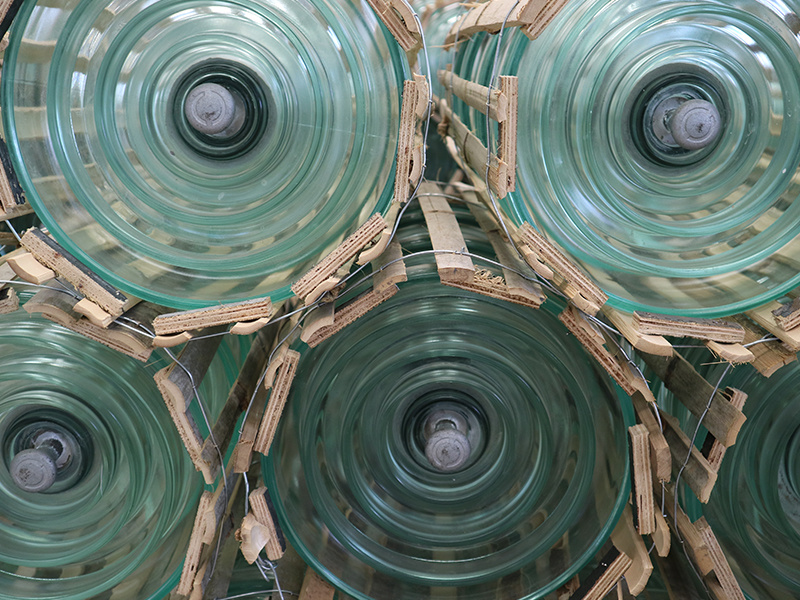
Standard glass insulator is an essential component in modern overhead power transmission and distribution systems. As electricity networks continue to expand and operate under increasingly demanding environmental conditions, utilities and power contractors need insulation products that can provide dependable electrical performance, strong mechanical support and long-term operational reliability. A high-quality standard glass insulator helps meet these requirements by supporting conductors while electrically isolating them from towers and other grounded structures.
In overhead power systems, insulation reliability directly affects network safety and operating stability. Insulators must withstand conductor tension, environmental exposure and electrical stress while maintaining their insulating performance. The glass insulator products offered by Hebei Gaoya Electric Power Equipment include a range of models corresponding to IEC standard insulator designs, with different mechanical destruction loads and electrical performance parameters for various power line requirements. The product range includes models with rated mechanical loads from 70 kN up to 550 kN, providing options for different transmission and distribution applications.
One of the major advantages of a standard glass insulator is the combination of electrical insulation and mechanical strength. The insulator must safely separate energized conductors from supporting structures while carrying the mechanical loads generated by the conductor system. High-quality toughened glass insulators are designed to withstand vertical and horizontal loads as well as conductor tension, making them suitable for demanding overhead line environments. Their electrical characteristics are also designed to withstand normal operating voltage and certain overvoltage conditions.
Standardization is another important advantage for power utilities and engineering contractors. Using standardized insulator designs can simplify product selection, engineering design and replacement planning. Gaoya's product information lists multiple IEC-standard models with different nominal diameters, structural heights, creepage distances and connection markings. This variety allows customers to select suitable products according to voltage requirements, line design and mechanical loading conditions.
The product also helps solve common challenges faced by power network operators. One challenge is maintaining stable insulation performance in outdoor environments exposed to rain, humidity, temperature changes and other environmental factors. Glass insulators provide a durable insulating structure for these applications. Another challenge is mechanical reliability. Power lines place continuous loads on insulators, especially in long-span transmission lines and demanding operating conditions. Different mechanical load ratings allow engineers to choose products that better match the requirements of each project.

Maintenance efficiency is equally important for utility companies. Power networks often cover large geographic areas, making inspection and replacement costly and time-consuming. Glass insulators offer practical advantages because their condition can be visually inspected. The characteristics of toughened glass can also make certain failures easier to identify, helping maintenance teams locate components that require replacement. This can support more efficient maintenance planning and improve the reliability of the overall power system.
A typical application can be found in overhead transmission line projects where multiple insulators are connected to form an insulator string. Engineers can select different standard glass insulator models according to conductor tension, voltage level and environmental requirements. For example, lower mechanical load models can be selected for suitable distribution or transmission applications, while higher-rated products can support projects requiring greater mechanical strength. Gaoya's listed product range includes options such as 70 kN, 100 kN, 120 kN, 160 kN, 210 kN, 240 kN, 300 kN, 420 kN and 550 kN rated mechanical destruction loads, providing flexibility for different engineering designs.
Product quality and manufacturing control are critical because power insulators are expected to operate reliably for extended periods. Hebei Gaoya Electric Power Equipment states that it uses advanced manufacturing processes and controls production steps to support product performance. The company produces glass insulators alongside porcelain insulators, composite insulators, lightning arresters and other electric power equipment, allowing customers to source multiple categories of power hardware from a specialized manufacturer. The company also offers customized solutions and OEM and ODM support for different project requirements.
For customers, choosing the right standard glass insulator means more than purchasing a single power component. It means selecting a product that can contribute to electrical safety, mechanical stability and long-term network reliability. Whether the project involves a transmission line, distribution network or utility infrastructure upgrade, properly selected glass insulators can help reduce operational risks and support stable power delivery.
With standardized designs, multiple mechanical strength options and reliable electrical performance, the standard glass insulator remains an important solution for modern overhead power systems. By matching the appropriate insulator model to project requirements, utilities, contractors and engineering companies can build safer and more dependable networks. For projects that require proven insulation performance, strong mechanical support and flexible product selection, a professionally manufactured standard glass insulator provides practical value for the long-term operation of electrical infrastructure.
Keywords:
Recommended
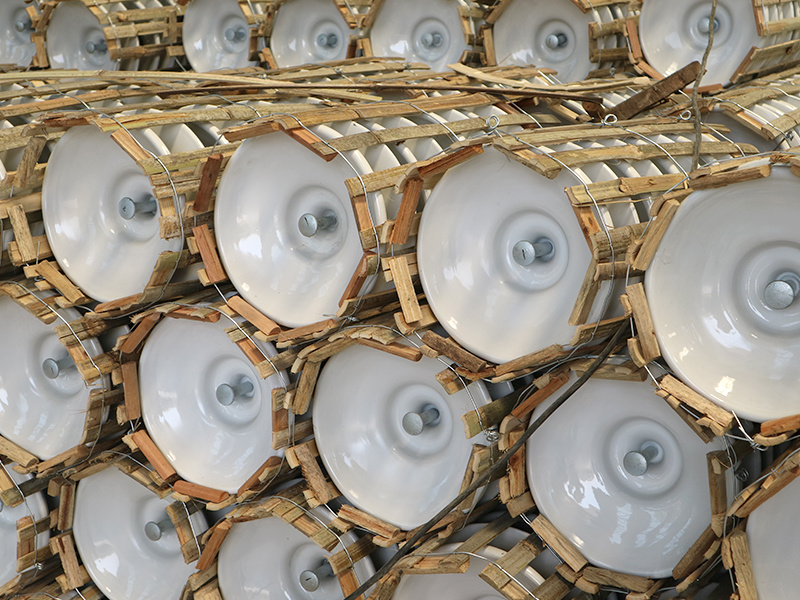
Ceramic insulators are insulators made of ceramic materials such as alumina.
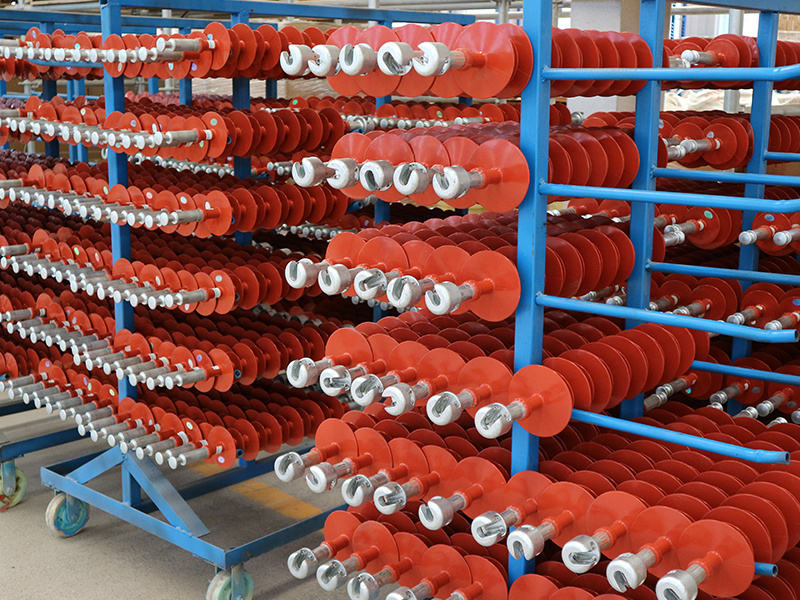

We adopt advanced manufacturing processes, strictly control every step to ensure product performance, and lead industry standards through technological innovation.


Mobile/WeChat
Address
Hejian City, Cangzhou City, Hebei Province