
Understanding Post Composite Insulators: A Key Component in Electrical Insulation
2026-08-25


In the electrical engineering sector, the demand for reliable and efficient insulation materials is paramount, particularly for high-voltage applications. Among the various types of insulators available, post composite insulators have gained considerable popularity due to their unique properties and advantages. This article aims to shed light on the significance of post composite insulators, their
In the electrical engineering sector, the demand for reliable and efficient insulation materials is paramount, particularly for high-voltage applications. Among the various types of insulators available, post composite insulators have gained considerable popularity due to their unique properties and advantages. This article aims to shed light on the significance of post composite insulators, their construction, benefits, and applications in the field of electrical insulation.
Post composite insulators are engineered from a combination of materials, usually incorporating fiberglass-reinforced polymer and silicone rubber. This hybrid construction offers superior mechanical strength and excellent electrical insulation properties. One of the primary advantages of post composite insulators is their lightweight nature, which simplifies installation and reduces the load on supporting structures. Additionally, their robust design ensures a longer service life, which is crucial in maintaining the reliability of electrical systems.
Another critical feature of post composite insulators is their resistance to environmental stressors. They boast high levels of resistance to pollution, moisture, and UV radiation, making them ideal for use in diverse climates. The silicone rubber surface of these insulators is hydrophobic, which prevents water droplets from accumulating and minimizes the formation of conductive paths that can lead to electrical failures. This property is particularly beneficial in areas with high pollution levels, where traditional ceramic insulators may require frequent maintenance or replacement.
In terms of applications, post composite insulators are widely used in substations, transmission lines, and distribution networks. Their robust performance under various electrical and environmental conditions makes them suitable for high-voltage applications, enhancing the overall safety and efficiency of electrical systems. Moreover, the reduced weight of these insulators allows for lighter support structures, contributing to lower installation costs and increased adaptability in different terrains.
Furthermore, the versatility of post composite insulators extends to their design. Manufacturers can tailor these insulators to meet specific requirements, such as varying voltage ratings and mechanical loads. This customization aspect allows for greater flexibility in engineering solutions and ensures that the insulators can perform optimally in their designated environments.
In conclusion, post composite insulators represent a significant advancement in electrical insulation technology. Their unique construction, coupled with outstanding mechanical and electrical properties, positions them as a vital component in modern electrical systems. As the industry continues to evolve, understanding the benefits and applications of post composite insulators will be essential for professionals aiming to innovate and improve insulation solutions in various electrical engineering projects.
Post composite insulators are engineered from a combination of materials, usually incorporating fiberglass-reinforced polymer and silicone rubber. This hybrid construction offers superior mechanical strength and excellent electrical insulation properties. One of the primary advantages of post composite insulators is their lightweight nature, which simplifies installation and reduces the load on supporting structures. Additionally, their robust design ensures a longer service life, which is crucial in maintaining the reliability of electrical systems.
Another critical feature of post composite insulators is their resistance to environmental stressors. They boast high levels of resistance to pollution, moisture, and UV radiation, making them ideal for use in diverse climates. The silicone rubber surface of these insulators is hydrophobic, which prevents water droplets from accumulating and minimizes the formation of conductive paths that can lead to electrical failures. This property is particularly beneficial in areas with high pollution levels, where traditional ceramic insulators may require frequent maintenance or replacement.
In terms of applications, post composite insulators are widely used in substations, transmission lines, and distribution networks. Their robust performance under various electrical and environmental conditions makes them suitable for high-voltage applications, enhancing the overall safety and efficiency of electrical systems. Moreover, the reduced weight of these insulators allows for lighter support structures, contributing to lower installation costs and increased adaptability in different terrains.
Furthermore, the versatility of post composite insulators extends to their design. Manufacturers can tailor these insulators to meet specific requirements, such as varying voltage ratings and mechanical loads. This customization aspect allows for greater flexibility in engineering solutions and ensures that the insulators can perform optimally in their designated environments.
In conclusion, post composite insulators represent a significant advancement in electrical insulation technology. Their unique construction, coupled with outstanding mechanical and electrical properties, positions them as a vital component in modern electrical systems. As the industry continues to evolve, understanding the benefits and applications of post composite insulators will be essential for professionals aiming to innovate and improve insulation solutions in various electrical engineering projects.
Keywords:
Recommended
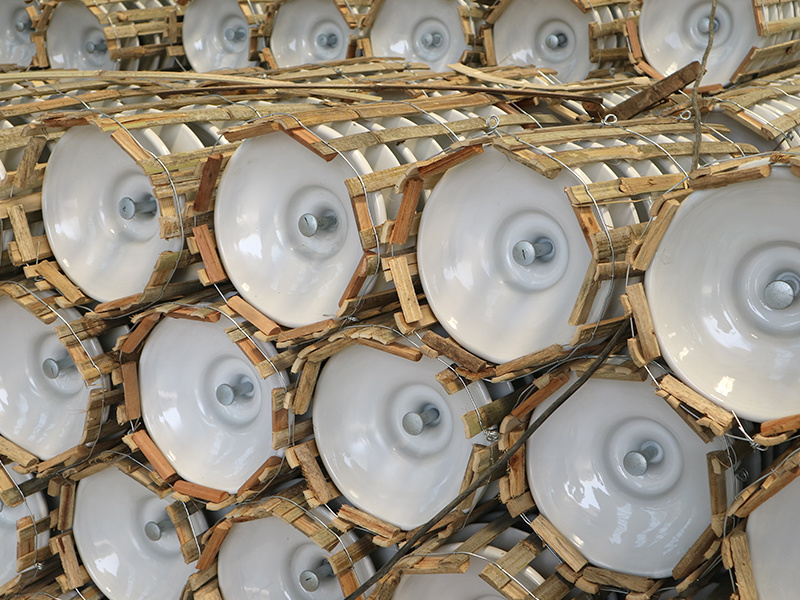
Ceramic insulators are insulators made of ceramic materials such as alumina.
High Durability: Ceramic insulators possess high resistivity, high dielectric strength, excellent mechanical properties, and the ability to dissipate heat and insulate in humid and corrosive environments.
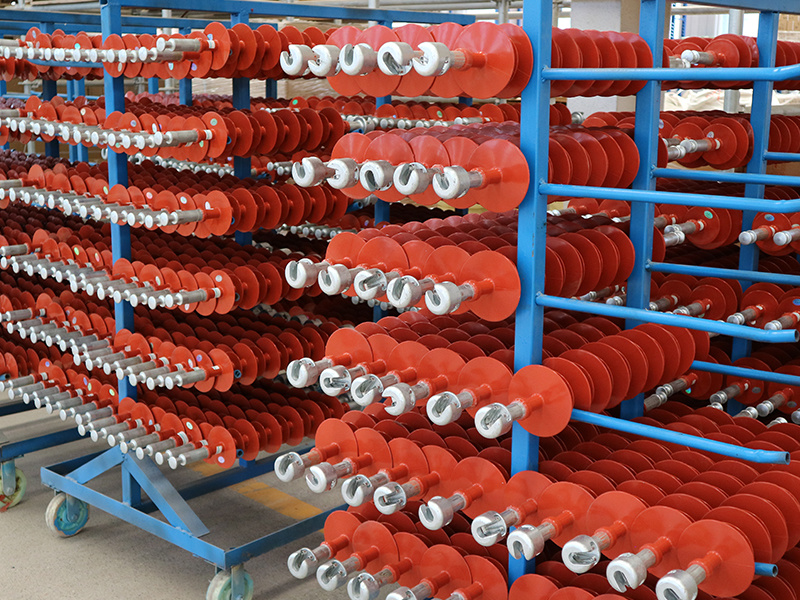
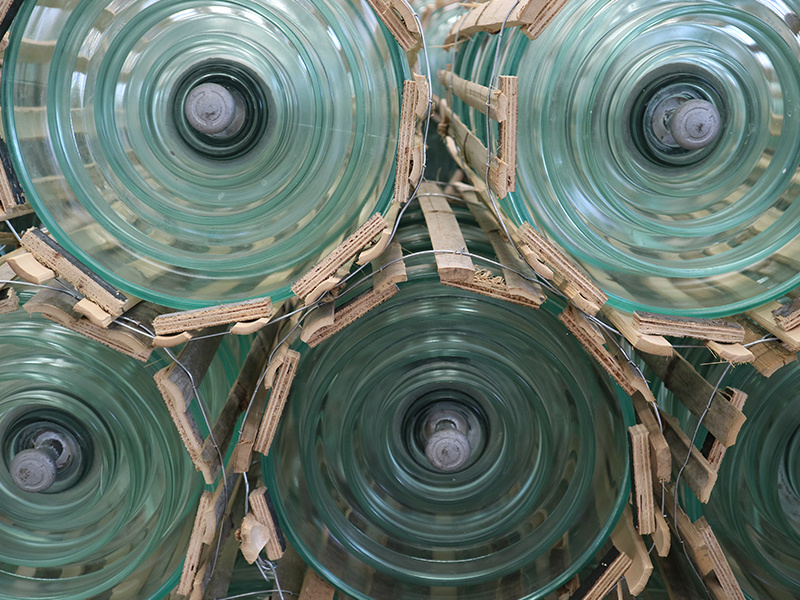

We adopt advanced manufacturing processes, strictly control every step to ensure product performance, and lead industry standards through technological innovation.


Mobile/WeChat
Address
Hejian City, Cangzhou City, Hebei Province