
Understanding the Benefits of Cross Arm Composite Insulators: A Comprehensive Insight
2026-08-21


Understanding the Benefits of Cross Arm Composite Insulators
Table of Contents
Introduction to Cross Arm Composite Insulators
What Are Cross Arm Composite Insulators?
Advantages of Cross Arm Composite Insulators
Enhanced Durability
Weight Reduction
Electrical Performance
Corrosion Resistance
Applications of Cross Ar
Understanding the Benefits of Cross Arm Composite Insulators
Table of Contents
- Introduction to Cross Arm Composite Insulators
- What Are Cross Arm Composite Insulators?
- Advantages of Cross Arm Composite Insulators
- Applications of Cross Arm Composite Insulators
- Installation and Maintenance Considerations
- Environmental Impact and Sustainability
- FAQs About Cross Arm Composite Insulators
- Conclusion
Introduction to Cross Arm Composite Insulators
In the rapidly evolving field of electrical engineering, the quest for improved materials that enhance the efficiency and reliability of power transmission systems remains paramount. Among these advancements are **cross arm composite insulators**, which have transformed the way electrical infrastructure is designed and maintained. These insulators, integrating advanced composite materials, offer unique benefits that traditional insulators simply cannot match.
As we delve deeper into the features and advantages of cross arm composite insulators, we will explore their construction, applications, and the significant role they play in modern electrical systems.
What Are Cross Arm Composite Insulators?
Cross arm composite insulators are advanced electrical insulators made from composite materials, typically combining fiberglass reinforced polymer (FRP) with silicone or other weather-resistant materials. These insulators are designed to support electrical conductors while preventing electrical discharges and ensuring the safety of the power transmission system.
The cross arm structure allows these insulators to effectively bear the weight of overhead lines while providing necessary insulation. The composite materials used in their construction enhance their mechanical properties, making them suitable for various environmental conditions.
Advantages of Cross Arm Composite Insulators
The benefits of cross arm composite insulators are extensive, making them an increasingly popular choice in the electrical industry. Below, we explore the key advantages.
Enhanced Durability
One of the most significant advantages of cross arm composite insulators is their enhanced durability. Unlike traditional porcelain or glass insulators, composite insulators are less prone to breakage and fractures. They can withstand mechanical stress from wind loads and ice accumulation, ensuring long-term performance.
Additionally, composite materials are less susceptible to thermal cycling, reducing the risk of failures due to expansion and contraction caused by temperature variations.
Weight Reduction
Cross arm composite insulators are significantly lighter than their ceramic or glass counterparts. This weight reduction translates to easier installation and less structural load on towers and poles. With lighter insulators, utility companies can optimize the design of their transmission structures, leading to potential cost savings in materials and labor.
Electrical Performance
The electrical performance of cross arm composite insulators is exceptional. These insulators exhibit high dielectric strength, which allows them to handle higher voltage levels without compromising safety. Their ability to maintain stable electrical performance even in humid or contaminated environments is a key feature that elevates them above traditional options.
Corrosion Resistance
Composite materials are inherently resistant to corrosion, a critical factor in ensuring the longevity of electrical infrastructure. Unlike metal insulators that can corrode over time, composite insulators maintain their integrity, significantly reducing maintenance costs and the risk of failures due to corrosion-related issues.
Applications of Cross Arm Composite Insulators
Cross arm composite insulators find applications in various fields, demonstrating their versatility. Some of the primary applications include:
1. **Transmission Lines**: Used in high-voltage transmission lines where durability and electrical performance are paramount.
2. **Distribution Networks**: Suitable for medium voltage distribution systems, ensuring reliable power delivery to consumers.
3. **Substations**: Employed in substations to isolate and support electrical equipment, enhancing overall safety.
4. **Renewable Energy Systems**: Vital in wind and solar energy applications, where lightweight and durable components are essential for efficiency.
Installation and Maintenance Considerations
The installation of cross arm composite insulators requires careful planning and execution. Here are some essential considerations:
- **Planning**: Prior to installation, a detailed assessment of site conditions is crucial. Understanding environmental factors such as wind load, ice load, and seismic activity can inform the selection and placement of insulators.
- **Installation**: Given their lightweight nature, composite insulators are easier to handle during installation. Proper techniques and tools should be employed to ensure secure fastening and alignment.
- **Maintenance**: While composite insulators require less frequent maintenance compared to traditional options, periodic inspections should be conducted to check for signs of wear or damage, especially in harsh environments.
Environmental Impact and Sustainability
Sustainability is increasingly becoming a focal point in engineering, and cross arm composite insulators contribute positively to this trend. Their lightweight design not only reduces material usage but also lowers the carbon footprint associated with transportation and installation.
Moreover, the longevity of these insulators means less frequent replacements, which reduces waste and conserves resources. Their resistance to harsh environmental conditions also diminishes the likelihood of environmental contamination related to failures or breaks.
FAQs About Cross Arm Composite Insulators
1. What materials are used in cross arm composite insulators?
Cross arm composite insulators typically consist of fiberglass reinforced polymer (FRP) combined with silicone or other weather-resistant materials.
2. How do cross arm composite insulators compare to traditional insulators?
Composite insulators are lighter, more durable, resistant to corrosion, and offer better electrical performance compared to traditional ceramic or glass insulators.
3. Are cross arm composite insulators suitable for all weather conditions?
Yes, these insulators perform well in a wide range of environmental conditions, including high humidity, extreme temperatures, and contaminated atmospheres.
4. What are the maintenance requirements for composite insulators?
While they require less maintenance than traditional insulators, periodic inspections should be conducted to ensure they remain in good condition, especially in harsh environments.
5. Can cross arm composite insulators be used in renewable energy applications?
Yes, they are particularly advantageous in renewable energy applications, such as wind and solar, due to their lightweight design and durability.
Conclusion
Cross arm composite insulators represent a significant advancement in the electrical insulation sector, offering a multitude of benefits that enhance the reliability and efficiency of power transmission systems. Their lightweight nature, durability, superior electrical performance, and resistance to environmental factors make them an ideal choice for modern infrastructure.
As the demand for reliable electrical systems continues to grow, understanding the advantages of cross arm composite insulators will empower professionals in the industry to make informed decisions. Embracing these innovative components not only promotes efficiency but also contributes to a sustainable future for electrical engineering.
Keywords:
Recommended
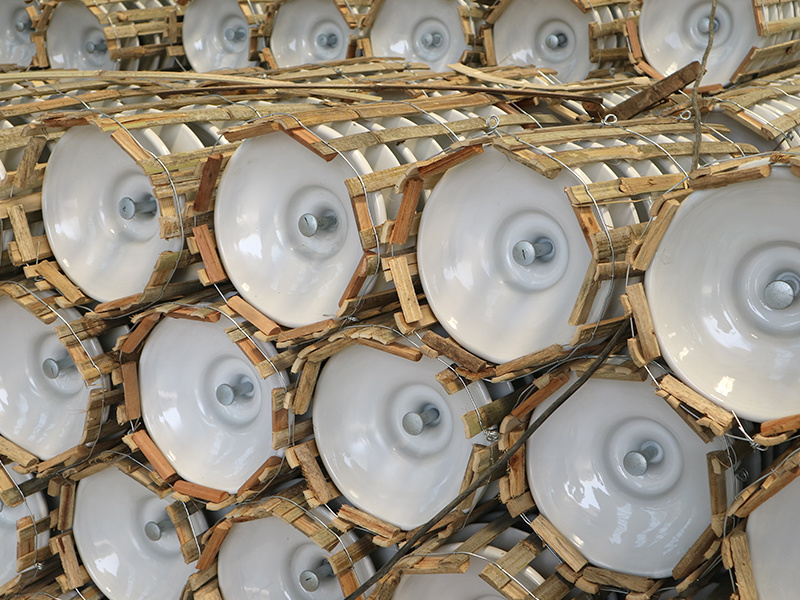
Ceramic insulators are insulators made of ceramic materials such as alumina.
High Durability: Ceramic insulators possess high resistivity, high dielectric strength, excellent mechanical properties, and the ability to dissipate heat and insulate in humid and corrosive environments.
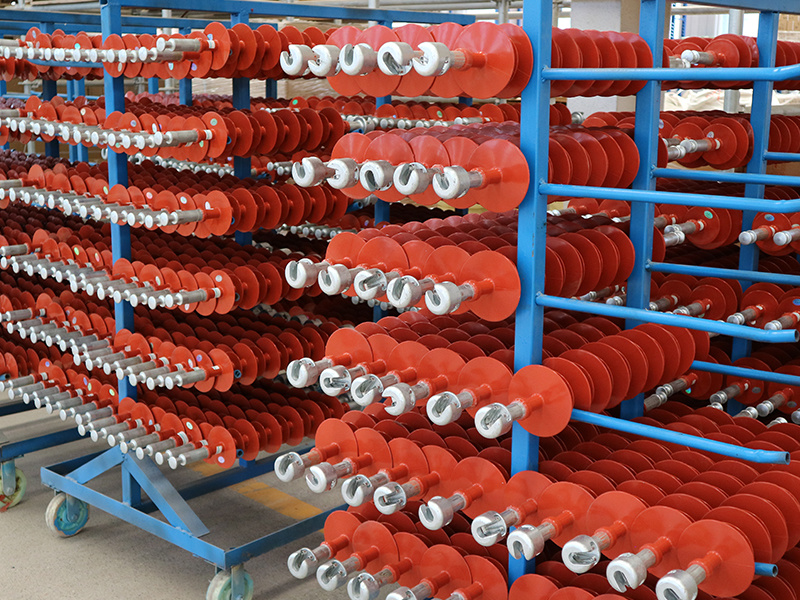
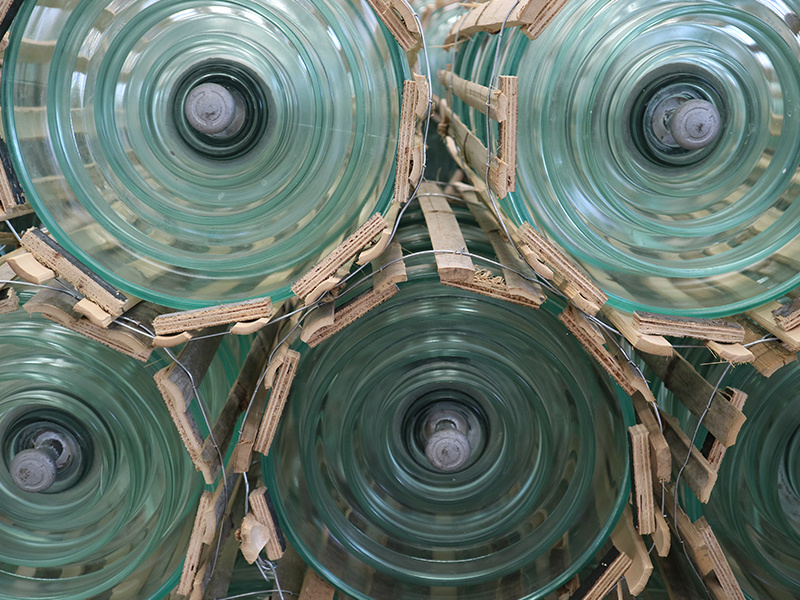

We adopt advanced manufacturing processes, strictly control every step to ensure product performance, and lead industry standards through technological innovation.


Mobile/WeChat
Address
Hejian City, Cangzhou City, Hebei Province