
Understanding the Benefits of Windproof Composite Insulators in Electrical Applications
2026-08-29


Understanding the Benefits of Windproof Composite Insulators in Electrical Applications
Table of Contents
Introduction to Windproof Composite Insulators
What Are Composite Insulators?
Advantages of Windproof Design
Applications of Composite Insulators
Material Properties and Performance
Installation and Maintenance Considerations
Safety Benefits of Windproof Composite Insulators
T
Understanding the Benefits of Windproof Composite Insulators in Electrical Applications
Table of Contents
- Introduction to Windproof Composite Insulators
- What Are Composite Insulators?
- Advantages of Windproof Design
- Applications of Composite Insulators
- Material Properties and Performance
- Installation and Maintenance Considerations
- Safety Benefits of Windproof Composite Insulators
- The Future of Insulator Technology
- Frequently Asked Questions
- Conclusion
Introduction to Windproof Composite Insulators
In the world of electrical engineering, the need for robust and reliable insulators is paramount. Windproof composite insulators have emerged as a groundbreaking solution for power transmission and distribution systems. Their unique design not only enhances durability but also optimizes performance in challenging environments. This article will explore the myriad benefits of windproof composite insulators, detailing their applications, material properties, and the future of this innovative technology.
What Are Composite Insulators?
Composite insulators are electrical insulators made from a combination of materials, typically including fiberglass and polymer. Unlike traditional ceramic or glass insulators, composite insulators offer a lightweight alternative that boasts superior mechanical strength and resistance to environmental factors.
Construction of Composite Insulators
The construction of composite insulators involves a core made of fiberglass-reinforced plastic (FRP) that provides structural integrity. This core is enveloped in a hydrophobic polymer, which ensures that moisture does not compromise the insulator's effectiveness. The combination of these materials results in an insulator that can withstand extreme weather conditions, including high winds, making them particularly suitable for use in coastal areas or regions prone to storms.
Advantages of Windproof Design
Windproof composite insulators provide several advantages over traditional insulator designs. Below are some of the key benefits that highlight their effectiveness in electrical applications.
1. Enhanced Mechanical Strength
The robust construction of windproof composite insulators allows them to withstand high mechanical stress and impact, which is crucial in areas prone to severe weather conditions.
2. Lightweight and Easy to Handle
Compared to ceramic insulators, composite insulators are significantly lighter, which eases transportation and installation. This characteristic can lead to reduced labor costs and time savings during setup.
3. Superior Resistance to Environmental Factors
These insulators are engineered to resist not only wind but also other environmental challenges, such as UV radiation, pollution, and salt spray. This durability ensures a longer lifespan and reduced maintenance requirements.
4. Improved Electrical Performance
Windproof composite insulators exhibit excellent electrical performance, maintaining insulation integrity even under high voltage conditions. Their hydrophobic surfaces minimize water absorption, reducing the risk of flashover during wet weather.
5. Cost-Effectiveness
While the initial investment may be higher than traditional insulators, the long-term benefits of reduced maintenance and prolonged service life make windproof composite insulators a cost-effective solution for electrical utilities.
Applications of Composite Insulators
Windproof composite insulators have a wide range of applications across various sectors, enhancing their relevance in modern electrical systems.
1. Power Transmission Lines
These insulators are extensively used in overhead power transmission lines due to their ability to withstand high voltage and extreme weather conditions.
2. Substations
In substations, composite insulators facilitate the safe transmission of electricity while protecting equipment from environmental damage.
3. Renewable Energy Systems
As the world shifts toward renewable energy, windproof composite insulators are increasingly utilized in wind turbines and solar energy installations, where resilience to wind and environmental factors is crucial.
4. Railway Electrification
In railway systems, these insulators safeguard electrical components and ensure the reliability of power supply, especially in areas exposed to high winds.
Material Properties and Performance
The performance of windproof composite insulators is deeply rooted in their material properties. Understanding these attributes can help in selecting the right insulator for specific applications.
1. Dielectric Strength
Composite insulators possess high dielectric strength, which prevents electrical breakdown under voltage stress. This characteristic is vital for maintaining safety in electrical systems.
2. Hydrophobicity
The hydrophobic nature of composite materials prevents water retention, which is crucial for maintaining insulation properties in wet conditions. This feature significantly reduces the risk of electrical failures.
3. Resistance to Corrosion
Composite insulators are impervious to corrosion, making them ideal for applications in corrosive environments, such as coastal areas where salt spray is prevalent.
4. Thermal Stability
These insulators can operate effectively across a wide temperature range, ensuring reliable performance from extreme heat to frigid conditions.
Installation and Maintenance Considerations
While windproof composite insulators offer numerous advantages, proper installation and maintenance are essential to maximize their benefits.
1. Installation Best Practices
During installation, it is vital to follow industry standards and manufacturer guidelines to ensure optimal positioning and securing of the insulators. Proper handling techniques must also be employed to avoid damage.
2. Regular Inspections
Routine inspections can identify potential issues before they escalate. Monitoring for signs of wear, environmental damage, or corrosion will help maintain the integrity of the insulators.
3. Cleaning and Upkeep
Regular cleaning of composite insulators is essential, especially in polluted environments. Removing dirt and contaminants ensures that the insulators maintain their hydrophobic properties.
Safety Benefits of Windproof Composite Insulators
Safety is a top priority in electrical applications, and windproof composite insulators significantly contribute to safer electrical systems.
1. Reduced Risk of Flashover
The hydrophobic surfaces of composite insulators reduce the likelihood of flashover during wet conditions, thereby enhancing the safety of electrical transmission.
2. Enhanced Reliability
By maintaining performance under extreme conditions, these insulators ensure uninterrupted service delivery, which translates to improved safety for workers and the public.
3. Environmentally Friendly Option
Many composite insulators are manufactured using eco-friendly materials, making them a sustainable choice for electrical applications.
The Future of Insulator Technology
As technology continues to evolve, the future of windproof composite insulators looks promising. Innovations in material science may lead to even more resilient and efficient insulators, further expanding their applications.
1. Smart Insulator Technology
The integration of smart technology into insulators could enable real-time monitoring of performance and environmental conditions, leading to proactive maintenance strategies.
2. Sustainable Materials
Research into biodegradable and sustainable materials may yield composite insulators that are not only effective but also environmentally responsible.
Frequently Asked Questions
1. What makes composite insulators better than traditional insulators?
Composite insulators are lighter, more resistant to environmental factors, and offer superior performance under high voltage conditions compared to traditional insulators.
2. How long do windproof composite insulators last?
With proper maintenance, windproof composite insulators can last over 30 years, significantly reducing replacement frequency and costs.
3. Can composite insulators be used in coastal environments?
Yes, their resistance to corrosion and environmental factors makes them ideal for use in coastal areas.
4. Do composite insulators require special installation techniques?
While standard installation practices apply, it is crucial to follow the specific guidelines provided by the manufacturer to ensure optimal performance.
5. Are windproof composite insulators cost-effective in the long run?
Yes, despite a potentially higher upfront cost, their durability and reduced maintenance needs translate to significant long-term savings.
Conclusion
Windproof composite insulators represent a significant advancement in electrical engineering, providing enhanced safety, reliability, and cost-effectiveness for power transmission and distribution systems. Their unique properties make them a superior choice for various applications, particularly in challenging environments. As technology continues to evolve, we can expect further innovations that will solidify the role of composite insulators in the future of electrical infrastructure. Embracing these advanced materials not only improves system performance but also contributes to the overall safety and sustainability of electrical networks.
Keywords:
Recommended
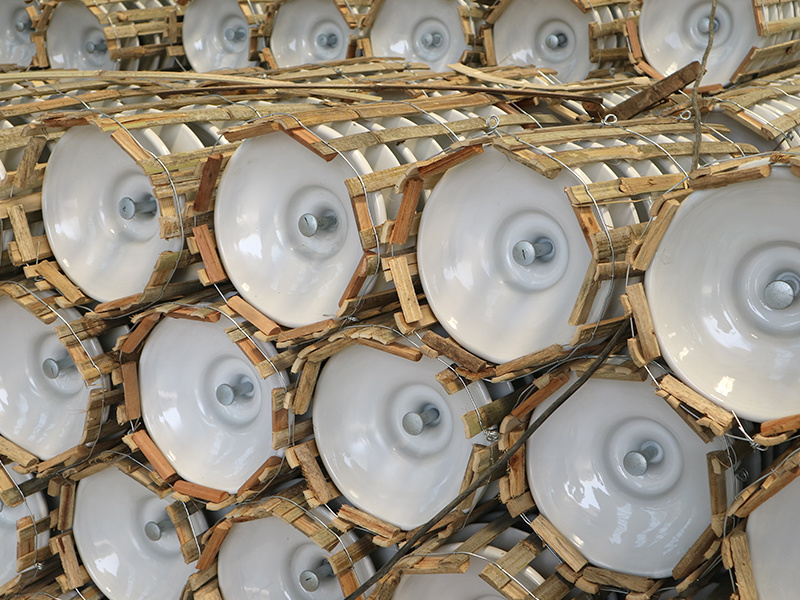
Ceramic insulators are insulators made of ceramic materials such as alumina.
High Durability: Ceramic insulators possess high resistivity, high dielectric strength, excellent mechanical properties, and the ability to dissipate heat and insulate in humid and corrosive environments.
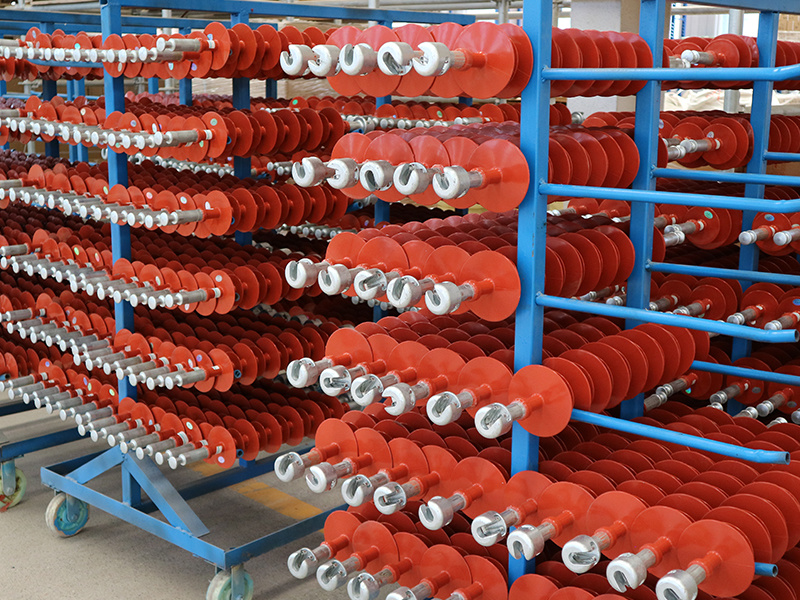
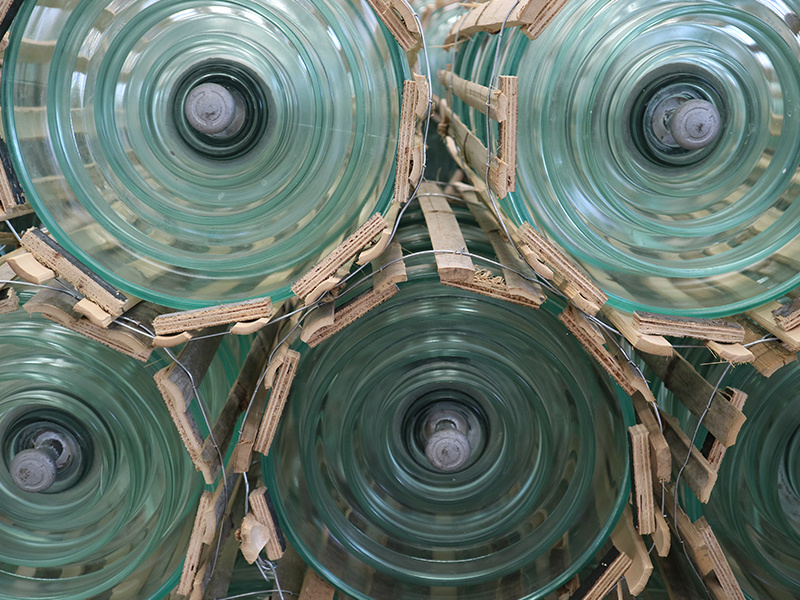

We adopt advanced manufacturing processes, strictly control every step to ensure product performance, and lead industry standards through technological innovation.


Mobile/WeChat
Address
Hejian City, Cangzhou City, Hebei Province