
Understanding Needle Type Composite Insulators: A Key Component in Electrical Insulation
2026-08-17


Needle type composite insulators are a vital component in the electrical engineering sector, particularly for applications requiring high levels of insulation and durability. These insulators are designed to support and insulate electrical conductors, ensuring both safety and performance in electrical systems. The unique design and material composition of needle type composite insulators make them
Needle type composite insulators are a vital component in the electrical engineering sector, particularly for applications requiring high levels of insulation and durability. These insulators are designed to support and insulate electrical conductors, ensuring both safety and performance in electrical systems. The unique design and material composition of needle type composite insulators make them an ideal choice for various environments and applications.
One of the primary advantages of needle type composite insulators is their lightweight nature. Unlike traditional porcelain or glass insulators, composite insulators are made from advanced polymer materials that significantly reduce weight without compromising strength. This feature is particularly beneficial for overhead transmission lines, where reducing weight can lead to fewer structural requirements and lower installation costs.
The construction of needle type composite insulators often incorporates a core made of fiberglass-reinforced plastic, surrounded by a weather-resistant polymer sheath. This combination provides excellent mechanical strength while also ensuring resistance to environmental factors such as UV radiation, humidity, and temperature fluctuations. As a result, these insulators can maintain their performance over time, even in harsh conditions.
In addition to their physical properties, needle type composite insulators offer superior electrical performance. They have a high resistance to electrical stress and can operate effectively in polluted environments where traditional insulators might fail. This characteristic is crucial for maintaining the reliability of electrical systems, especially in areas prone to environmental contaminants that could degrade insulation performance.
Needle type composite insulators are widely used in various applications, including transmission lines, substations, and distribution networks. Their adaptability makes them suitable for both outdoor and indoor installations. Furthermore, these insulators are often utilized in renewable energy projects, such as wind and solar farms, where their lightweight design and resilience are particularly advantageous.
Safety is another significant factor in the use of needle type composite insulators. The materials used are designed to be non-conductive, reducing the risk of electrical faults that can lead to dangerous situations. Moreover, the unique design minimizes the risk of flashover, an electrical discharge that can occur during heavy rain or high pollution conditions.
In summary, needle type composite insulators play a crucial role in modern electrical systems, combining lightweight construction with high durability and excellent electrical performance. Their ability to withstand environmental challenges and provide reliable insulation makes them an essential choice for engineers and electric utilities alike. Understanding the benefits and applications of these insulators can help professionals make informed decisions in the pursuit of safer and more efficient electrical infrastructure.
One of the primary advantages of needle type composite insulators is their lightweight nature. Unlike traditional porcelain or glass insulators, composite insulators are made from advanced polymer materials that significantly reduce weight without compromising strength. This feature is particularly beneficial for overhead transmission lines, where reducing weight can lead to fewer structural requirements and lower installation costs.
The construction of needle type composite insulators often incorporates a core made of fiberglass-reinforced plastic, surrounded by a weather-resistant polymer sheath. This combination provides excellent mechanical strength while also ensuring resistance to environmental factors such as UV radiation, humidity, and temperature fluctuations. As a result, these insulators can maintain their performance over time, even in harsh conditions.
In addition to their physical properties, needle type composite insulators offer superior electrical performance. They have a high resistance to electrical stress and can operate effectively in polluted environments where traditional insulators might fail. This characteristic is crucial for maintaining the reliability of electrical systems, especially in areas prone to environmental contaminants that could degrade insulation performance.
Needle type composite insulators are widely used in various applications, including transmission lines, substations, and distribution networks. Their adaptability makes them suitable for both outdoor and indoor installations. Furthermore, these insulators are often utilized in renewable energy projects, such as wind and solar farms, where their lightweight design and resilience are particularly advantageous.
Safety is another significant factor in the use of needle type composite insulators. The materials used are designed to be non-conductive, reducing the risk of electrical faults that can lead to dangerous situations. Moreover, the unique design minimizes the risk of flashover, an electrical discharge that can occur during heavy rain or high pollution conditions.
In summary, needle type composite insulators play a crucial role in modern electrical systems, combining lightweight construction with high durability and excellent electrical performance. Their ability to withstand environmental challenges and provide reliable insulation makes them an essential choice for engineers and electric utilities alike. Understanding the benefits and applications of these insulators can help professionals make informed decisions in the pursuit of safer and more efficient electrical infrastructure.
Keywords:
Recommended
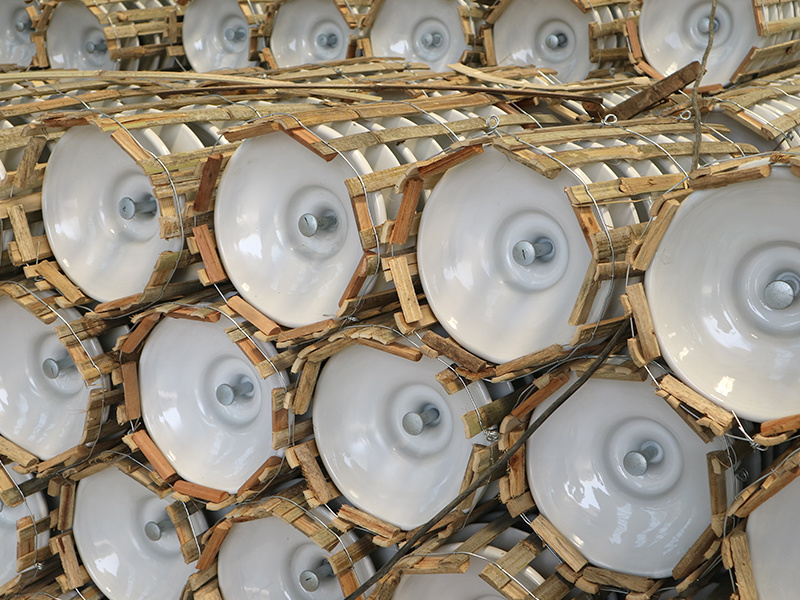
Ceramic insulators are insulators made of ceramic materials such as alumina.
High Durability: Ceramic insulators possess high resistivity, high dielectric strength, excellent mechanical properties, and the ability to dissipate heat and insulate in humid and corrosive environments.
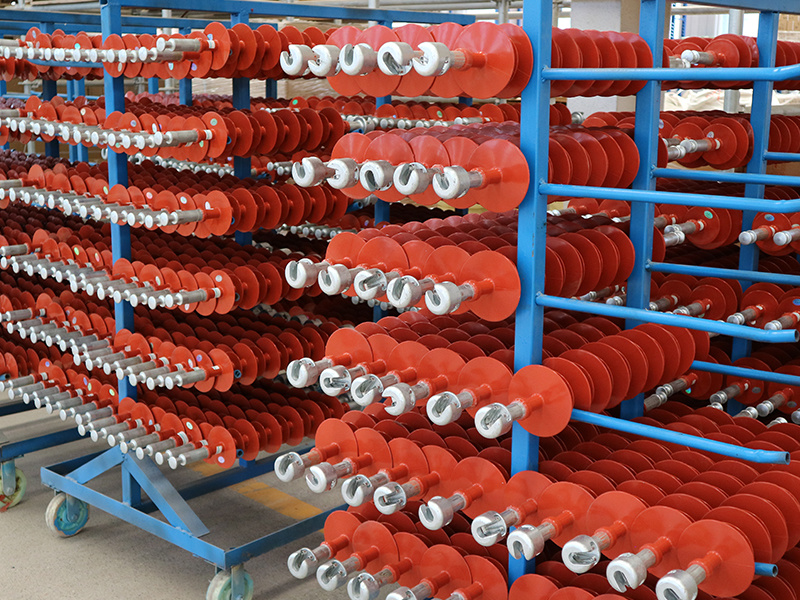
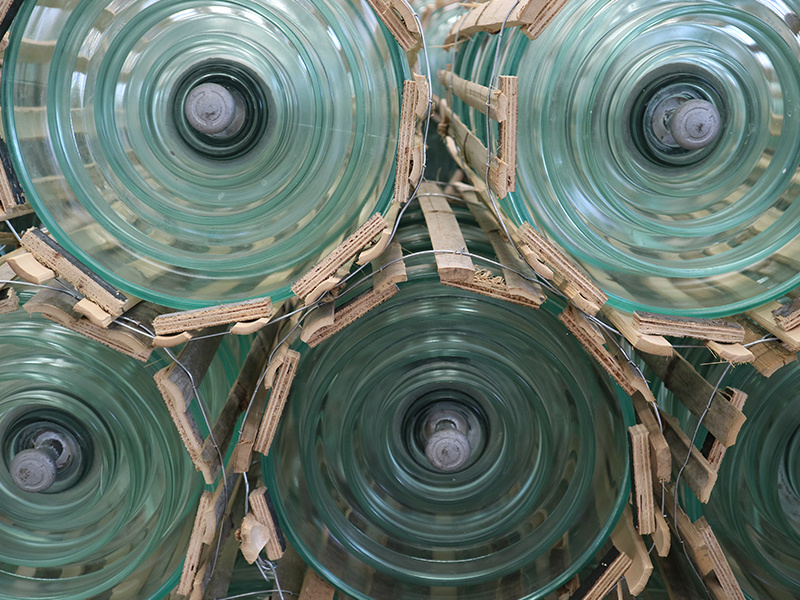

We adopt advanced manufacturing processes, strictly control every step to ensure product performance, and lead industry standards through technological innovation.


Mobile/WeChat
Address
Hejian City, Cangzhou City, Hebei Province