
Understanding the Benefits of Rod Suspension Composite Insulators: A Comprehensive Guide
2026-08-13


Understanding the Benefits of Rod Suspension Composite Insulators
Table of Contents
1. Introduction to Rod Suspension Composite Insulators
2. What Are Composite Insulators?
3. Advantages of Rod Suspension Composite Insulators
3.1 Lightweight and Durable Materials
3.2 High Resistance to Environmental Factors
3.3 Excellent Electrical Performa
Understanding the Benefits of Rod Suspension Composite Insulators
Table of Contents
- 1. Introduction to Rod Suspension Composite Insulators
- 2. What Are Composite Insulators?
- 3. Advantages of Rod Suspension Composite Insulators
- 3.1 Lightweight and Durable Materials
- 3.2 High Resistance to Environmental Factors
- 3.3 Excellent Electrical Performance
- 3.4 Cost-Effectiveness and Ease of Installation
- 4. Applications of Rod Suspension Composite Insulators
- 5. Composite vs. Ceramic Insulators
- 6. Safety and Reliability of Composite Insulators
- 7. The Future of Composite Insulators in the Electrical Industry
- 8. Frequently Asked Questions
- 9. Conclusion
1. Introduction to Rod Suspension Composite Insulators
In the dynamic world of electrical engineering, insulators play a pivotal role in ensuring the safety and efficiency of power transmission systems. Among the various types of insulators, rod suspension composite insulators are emerging as a preferred choice due to their innovative properties. This article aims to provide an in-depth understanding of these insulators, highlighting their benefits, applications, and the reasons behind their growing popularity in modern electrical infrastructure.
2. What Are Composite Insulators?
Composite insulators, made from a combination of materials such as fiberglass and polymer composites, serve as a modern alternative to traditional ceramic and glass insulators. These materials offer a blend of lightweight characteristics, durability, and resistance to environmental stressors.
Rod suspension composite insulators specifically feature a rod-like structure that supports the transmission lines, providing enhanced stability and flexibility. Their unique design allows for efficient load distribution, making them suitable for a range of applications in high voltage environments.
3. Advantages of Rod Suspension Composite Insulators
Rod suspension composite insulators come with a myriad of advantages that make them stand out in the electrical industry. Below are some key benefits:
3.1 Lightweight and Durable Materials
One of the most significant advantages of rod suspension composite insulators is their lightweight nature. Unlike traditional ceramic insulators, which can be cumbersome, composite insulators are easier to handle and install. This characteristic not only simplifies transportation but also reduces installation time and labor costs.
Moreover, these insulators demonstrate high durability against mechanical stresses. The robust materials used in their construction can withstand extreme temperatures, vibrations, and impacts, ensuring a long service life.
3.2 High Resistance to Environmental Factors
Rod suspension composite insulators excel in various environmental conditions, including high humidity, pollution, and extreme temperatures. Their hydrophobic surface prevents the accumulation of water and contaminants, reducing the likelihood of flashovers and maintaining performance even in adverse weather conditions.
This resilience ensures that power transmission remains uninterrupted, leading to increased reliability in electrical networks.
3.3 Excellent Electrical Performance
The electrical performance of rod suspension composite insulators is exceptional. These insulators provide high dielectric strength, which is essential for maintaining the integrity of electrical systems. Their design minimizes the risk of electrical discharges, ensuring efficient power flow.
Additionally, their ability to withstand high voltage levels makes them ideal for various applications, including overhead transmission lines and substations.
3.4 Cost-Effectiveness and Ease of Installation
While the initial investment in rod suspension composite insulators may be slightly higher than that of traditional insulators, their long-term benefits far outweigh the costs. The reduced maintenance requirements and longer lifespan contribute to significant savings over time.
Furthermore, their lightweight nature and straightforward installation process allow for quicker deployment, minimizing downtime and enhancing overall project efficiency.
4. Applications of Rod Suspension Composite Insulators
Rod suspension composite insulators are versatile components used in various applications across the electrical industry. Some common applications include:
1. **High Voltage Transmission Lines:** Their ability to handle high electrical loads makes them suitable for use in long-distance power transmission systems.
2. **Distribution Networks:** Composite insulators are frequently employed in electrical distribution networks to enhance reliability and safety.
3. **Substations:** These insulators are integral to substations, where they support power lines and protect equipment from electrical faults.
4. **Renewable Energy Systems:** As the demand for renewable energy sources grows, composite insulators are increasingly used in wind and solar power installations.
5. Composite vs. Ceramic Insulators
When comparing composite insulators to traditional ceramic insulators, several key differences highlight the advantages of composites.
Firstly, **weight** is a crucial factor. Composite insulators are significantly lighter than their ceramic counterparts, making them easier to install. Secondly, **durability** plays a vital role; composite materials are less prone to breakage, reducing replacement costs. Lastly, the **performance** in adverse weather conditions shows that composite insulators maintain functionality where ceramic insulators may fail, providing a more reliable solution for modern electrical infrastructure.
6. Safety and Reliability of Composite Insulators
Safety is paramount in any electrical installation, and rod suspension composite insulators contribute significantly to this aspect. Their ability to resist environmental stressors and maintain performance under various conditions enhances the overall safety of power transmission systems.
Additionally, composite insulators are designed to minimize the risk of electrical discharges, ensuring that both the equipment and personnel remain safe during operation. This reliability is essential for maintaining consistent power supply and preventing outages that can lead to significant economic losses.
7. The Future of Composite Insulators in the Electrical Industry
As the electrical industry continues to evolve, the demand for innovative solutions like rod suspension composite insulators is expected to grow. With increasing investments in renewable energy and smart grid technologies, these insulators are poised to play a crucial role in modernizing electrical infrastructure.
Future developments may focus on enhancing the materials used in composite insulators, further improving their performance and reliability. Additionally, the integration of smart technologies could allow for better monitoring and maintenance of these insulators, ensuring optimal performance throughout their lifespan.
8. Frequently Asked Questions
What are the main advantages of rod suspension composite insulators?
Rod suspension composite insulators offer lightweight design, high environmental resistance, excellent electrical performance, and cost-effectiveness in installation and maintenance.
How do composite insulators compare to traditional ceramic insulators?
Composite insulators are lighter, more durable, and perform better in adverse weather conditions than traditional ceramic insulators, making them a preferred choice for modern applications.
Are rod suspension composite insulators suitable for high voltage applications?
Yes, rod suspension composite insulators are designed to handle high voltage levels, making them ideal for use in overhead transmission lines and substations.
What maintenance do composite insulators require?
Composite insulators typically require minimal maintenance due to their durable materials and resistance to environmental factors. Regular inspections are recommended to ensure optimal performance.
Can rod suspension composite insulators be used in adverse weather conditions?
Absolutely. They are engineered to withstand extreme temperatures, humidity, and pollution, ensuring reliable performance in various environmental conditions.
9. Conclusion
Rod suspension composite insulators represent a significant advancement in the field of electrical engineering. Their unique combination of lightweight materials, durability, and exceptional performance under challenging conditions makes them an invaluable asset in modern power systems. As the push for efficient and reliable electrical infrastructure continues, the adoption of these advanced insulators is likely to increase, paving the way for a safer and more sustainable future in energy transmission. Understanding the benefits of rod suspension composite insulators is essential for anyone involved in the electrical industry, from engineers to decision-makers, ensuring that we all can contribute to a more reliable power supply.
Keywords:
Recommended
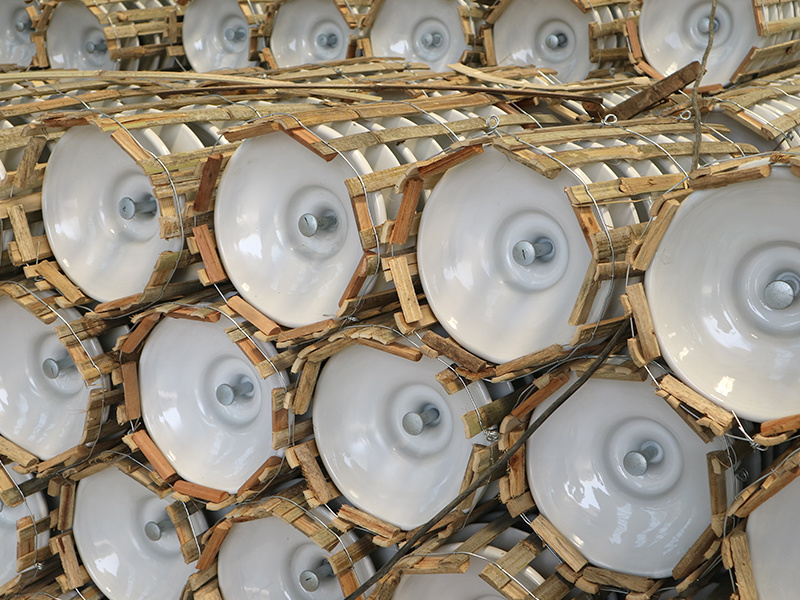
Ceramic insulators are insulators made of ceramic materials such as alumina.
High Durability: Ceramic insulators possess high resistivity, high dielectric strength, excellent mechanical properties, and the ability to dissipate heat and insulate in humid and corrosive environments.
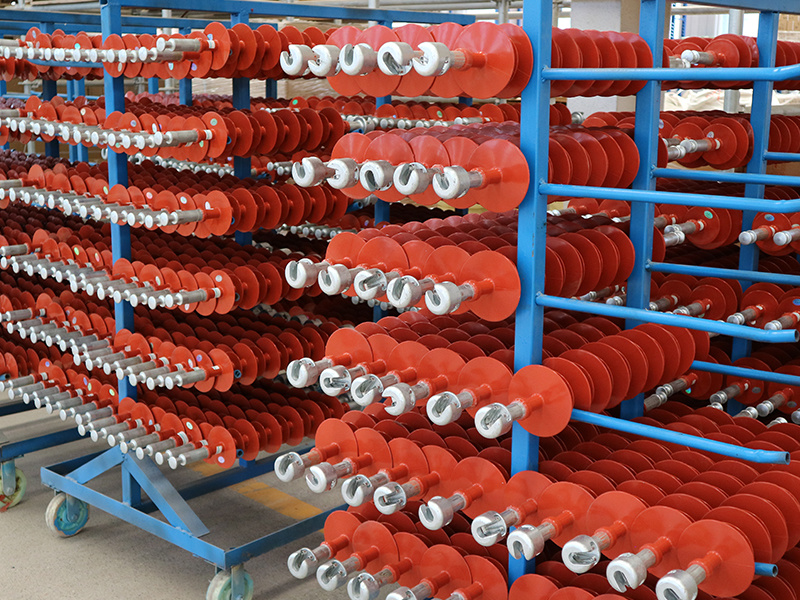
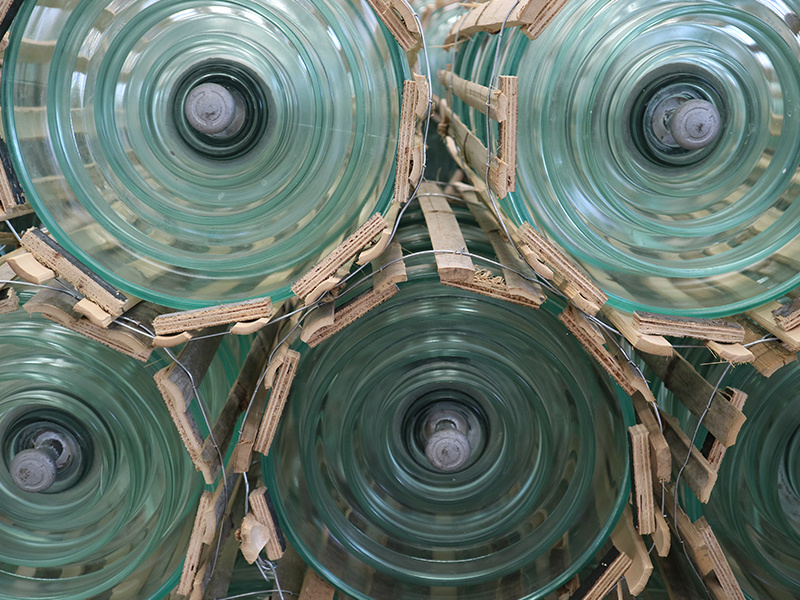

We adopt advanced manufacturing processes, strictly control every step to ensure product performance, and lead industry standards through technological innovation.


Mobile/WeChat
Address
Hejian City, Cangzhou City, Hebei Province