
The Versatile World of Polymer Insulators: Enhancing Electrical Safety and Performance
2026-08-09


Polymer insulators are essential components in the electrical engineering sector, specifically within the realm of insulating materials. These insulators, made primarily from high-performance polymer materials, are designed to support electrical conductors and provide electrical insulation. Their unique properties make them an increasingly popular choice for various applications in power transmiss
Polymer insulators are essential components in the electrical engineering sector, specifically within the realm of insulating materials. These insulators, made primarily from high-performance polymer materials, are designed to support electrical conductors and provide electrical insulation. Their unique properties make them an increasingly popular choice for various applications in power transmission and distribution systems.
One of the most significant advantages of polymer insulators is their lightweight nature compared to traditional ceramic or glass insulators. This reduction in weight makes them easier to handle during installation and maintenance, ultimately leading to cost savings in transportation and labor. Furthermore, the lightweight design allows for longer spans between supports, which can lead to fewer structures required along the transmission lines.
Another important characteristic of polymer insulators is their exceptional resistance to environmental factors. They are less susceptible to breakage from extreme weather conditions, including high winds, ice, and temperature fluctuations. The non-porous surface of polymer insulators prevents moisture absorption, reducing the risk of electrical failure due to contaminants. This property also means that polymer insulators can maintain their performance over a more extended period, resulting in lower maintenance costs for utility companies.
Polymer insulators can be used in a wide variety of applications. They are commonly found in overhead power lines, substations, and railway electrification systems. Their versatility extends to both high-voltage and medium-voltage applications, making them a critical component of modern electrical infrastructure. Additionally, their ability to withstand pollution, ultraviolet (UV) degradation, and electrical stress ensures that they provide reliable service in diverse environments.
Another noteworthy attribute is the ease of installation of polymer insulators. Their design allows for quick assembly and disassembly, which is particularly beneficial during maintenance or emergency repairs. This convenience is crucial for ensuring the reliability of electrical systems, as it minimizes downtime and enhances operational efficiency.
In summary, polymer insulators represent a significant advancement in electrical insulation technology. Their lightweight nature, environmental resistance, and versatility make them a preferred choice for various applications in the power sector. By choosing polymer insulators, utilities can enhance the reliability and safety of their electrical networks while enjoying the benefits of reduced maintenance and installation costs. As the demand for efficient and durable electrical infrastructure continues to grow, polymer insulators will undoubtedly play a pivotal role in shaping the future of energy transmission and distribution.
One of the most significant advantages of polymer insulators is their lightweight nature compared to traditional ceramic or glass insulators. This reduction in weight makes them easier to handle during installation and maintenance, ultimately leading to cost savings in transportation and labor. Furthermore, the lightweight design allows for longer spans between supports, which can lead to fewer structures required along the transmission lines.
Another important characteristic of polymer insulators is their exceptional resistance to environmental factors. They are less susceptible to breakage from extreme weather conditions, including high winds, ice, and temperature fluctuations. The non-porous surface of polymer insulators prevents moisture absorption, reducing the risk of electrical failure due to contaminants. This property also means that polymer insulators can maintain their performance over a more extended period, resulting in lower maintenance costs for utility companies.
Polymer insulators can be used in a wide variety of applications. They are commonly found in overhead power lines, substations, and railway electrification systems. Their versatility extends to both high-voltage and medium-voltage applications, making them a critical component of modern electrical infrastructure. Additionally, their ability to withstand pollution, ultraviolet (UV) degradation, and electrical stress ensures that they provide reliable service in diverse environments.
Another noteworthy attribute is the ease of installation of polymer insulators. Their design allows for quick assembly and disassembly, which is particularly beneficial during maintenance or emergency repairs. This convenience is crucial for ensuring the reliability of electrical systems, as it minimizes downtime and enhances operational efficiency.
In summary, polymer insulators represent a significant advancement in electrical insulation technology. Their lightweight nature, environmental resistance, and versatility make them a preferred choice for various applications in the power sector. By choosing polymer insulators, utilities can enhance the reliability and safety of their electrical networks while enjoying the benefits of reduced maintenance and installation costs. As the demand for efficient and durable electrical infrastructure continues to grow, polymer insulators will undoubtedly play a pivotal role in shaping the future of energy transmission and distribution.
Keywords:
Recommended
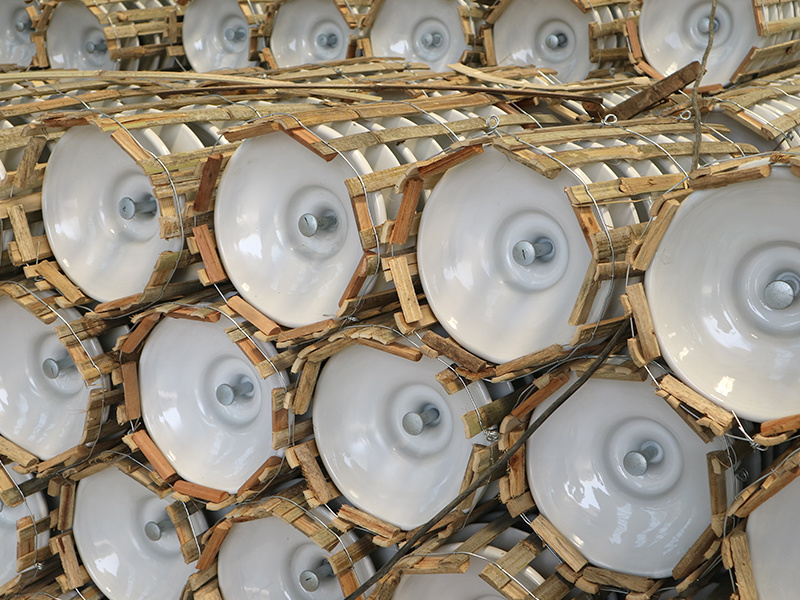
Ceramic insulators are insulators made of ceramic materials such as alumina.
High Durability: Ceramic insulators possess high resistivity, high dielectric strength, excellent mechanical properties, and the ability to dissipate heat and insulate in humid and corrosive environments.
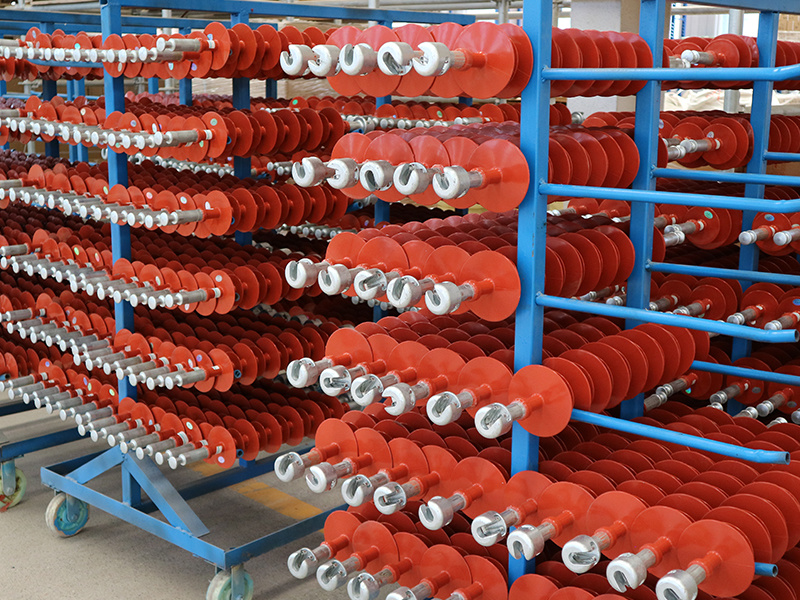
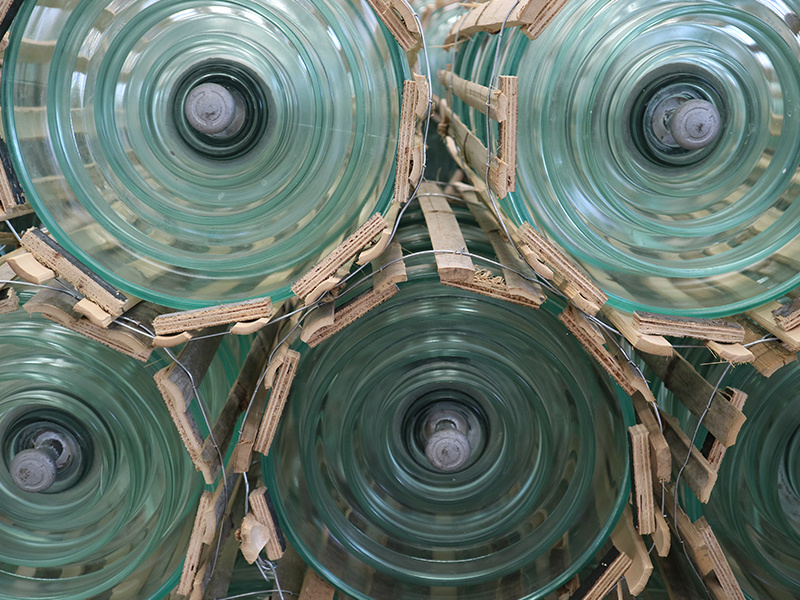

We adopt advanced manufacturing processes, strictly control every step to ensure product performance, and lead industry standards through technological innovation.


Mobile/WeChat
Address
Hejian City, Cangzhou City, Hebei Province