
Understanding the Critical Role of Composite Insulators in Electrical Engineering
2026-08-05


Understanding the Critical Role of Composite Insulators in Electrical Engineering
Table of Contents
1. Introduction to Composite Insulators
2. What Are Composite Insulators?
3. Advantages of Composite Insulators over Traditional Materials
4. Applications of Composite Insulators in Electrical Engineering
5. Composite Insulators vs. Porcelain Insulators: A Comparative Study
6. The Science Behind Co
Understanding the Critical Role of Composite Insulators in Electrical Engineering
Table of Contents
- 1. Introduction to Composite Insulators
- 2. What Are Composite Insulators?
- 3. Advantages of Composite Insulators over Traditional Materials
- 4. Applications of Composite Insulators in Electrical Engineering
- 5. Composite Insulators vs. Porcelain Insulators: A Comparative Study
- 6. The Science Behind Composite Insulators
- 7. Maintenance and Lifespan of Composite Insulators
- 8. The Future of Composite Insulators in Electrical Engineering
- 9. Frequently Asked Questions
- 10. Conclusion
1. Introduction to Composite Insulators
The electrical engineering landscape is continually evolving, with advancements in materials significantly influencing how systems operate. Among these advancements, **composite insulators** have emerged as a game-changer. Their innovative design and materials provide superior performance, making them an essential component in modern electrical infrastructure. This article aims to explore the importance of composite insulators, focusing on their benefits, applications, and position within the broader electrical engineering field.
2. What Are Composite Insulators?
Composite insulators are electrical insulators made from a combination of materials, typically incorporating fiberglass reinforced polymer (FRP) rods and silicone rubber. This unique construction offers enhanced resistance against electrical, thermal, and environmental stresses. Unlike traditional insulators made from materials like porcelain or glass, composite insulators leverage their lightweight and robust composition to deliver reliable performance under various conditions.
2.1 Materials Used in Composite Insulators
The primary materials used in the manufacturing of composite insulators include:
- **Fiberglass Reinforced Polymer (FRP)**: Provides mechanical strength and durability.
- **Silicone Rubber**: Offers excellent weather resistance and hydrophobic properties, preventing water accumulation and reducing flashover risks.
2.2 Design Features of Composite Insulators
Composite insulators are designed with specific features that enhance their performance, such as:
- **Hydrophobicity**: Prevents water droplets from forming, reducing the chances of electrical failures.
- **Lightweight Construction**: Facilitates easier handling and installation, reducing labor costs.
- **High Mechanical Strength**: Ensures durability against mechanical stresses and environmental factors.
3. Advantages of Composite Insulators over Traditional Materials
The adoption of composite insulators in electrical engineering comes with numerous advantages compared to traditional materials.
3.1 Enhanced Electrical Performance
Composite insulators exhibit superior electrical performance, including:
- **Higher Dielectric Strength**: Facilitates the safe operation of high-voltage systems.
- **Reduced Flashover Risk**: Their hydrophobic properties minimize the risk of electrical discharges due to moisture.
3.2 Environmental Resistance
Composite materials offer exceptional resistance to various environmental factors, such as:
- **UV Radiation**: Silicone rubber protects against degradation from sunlight.
- **Temperature Extremes**: They maintain performance across a wide range of temperatures.
3.3 Durability and Longevity
Composite insulators are designed to last longer than traditional insulators, leading to reduced replacement costs and maintenance efforts. Their resistance to corrosion and wear ensures a longer operational lifespan.
4. Applications of Composite Insulators in Electrical Engineering
Composite insulators find applications across various sectors in electrical engineering, including:
4.1 Transmission Lines
In high-voltage transmission lines, composite insulators enhance safety and efficiency, allowing for longer spans between structures without compromising integrity.
4.2 Distribution Networks
Composite insulators are utilized in distribution networks where reliability and maintenance ease are critical, providing a secure solution for energy delivery.
4.3 Renewable Energy Systems
In renewable energy applications, such as wind and solar, composite insulators support the infrastructure required to harness and distribute energy effectively.
5. Composite Insulators vs. Porcelain Insulators: A Comparative Study
When comparing composite insulators to traditional porcelain insulators, several key differences emerge:
5.1 Weight and Handling
Composite insulators are significantly lighter than porcelain counterparts, making them easier to transport and install. This reduction in weight also leads to lower structural demands on installation towers.
5.2 Resistance to Damage
While porcelain insulators can shatter upon impact, composite insulators are more resilient, reducing the likelihood of failure due to mechanical stress.
5.3 Performance in Adverse Conditions
Composite insulators outperform porcelain in adverse weather conditions, maintaining reliable performance in rain, fog, and extreme temperatures.
6. The Science Behind Composite Insulators
The effectiveness of composite insulators lies in their scientific principles, including:
6.1 Dielectric Properties
The dielectric properties of silicone rubber result in lower leakage currents, ensuring safety and efficiency in high-voltage applications.
6.2 Hydrophobic Behavior
The hydrophobic nature of silicone rubber prevents the accumulation of moisture, significantly reducing the risk of flashover and electrical failure.
6.3 Mechanical Strength
The FRP core provides significant tensile strength, allowing composite insulators to withstand mechanical stresses, environmental impacts, and operational loads.
7. Maintenance and Lifespan of Composite Insulators
Proper maintenance of composite insulators is crucial for ensuring their longevity and effectiveness.
7.1 Routine Inspections
Regular inspections should focus on identifying signs of wear or environmental damage, ensuring any potential issues are addressed promptly.
7.2 Cleaning Procedures
Cleaning composite insulators regularly helps maintain their hydrophobic properties, ensuring optimal performance. Non-abrasive methods should be used to avoid damaging the surface.
7.3 Expected Lifespan
Composite insulators typically have a lifespan exceeding 30 years, depending on environmental conditions and maintenance practices.
8. The Future of Composite Insulators in Electrical Engineering
The future of composite insulators in electrical engineering looks promising, driven by the ongoing demand for higher efficiency, safety, and sustainability. Innovations in material science are expected to further enhance the performance and application scope of composite insulators.
8.1 Emerging Technologies
Advancements in nanotechnology and smart materials may lead to the development of even more efficient insulating solutions, optimizing performance in various applications.
8.2 Increased Adoption in Renewable Energy
As the shift toward renewable energy sources continues, the demand for reliable and efficient insulating materials, such as composite insulators, will likely increase. Their ability to withstand challenging conditions makes them ideal for use in renewable energy infrastructure.
9. Frequently Asked Questions
9.1 What are composite insulators made of?
Composite insulators are primarily made of fiberglass reinforced polymer and silicone rubber, which provide mechanical strength and excellent electrical performance.
9.2 How long do composite insulators last?
Typically, composite insulators have a lifespan of over 30 years, depending on environmental factors and maintenance practices.
9.3 Are composite insulators better than porcelain insulators?
Yes, composite insulators are generally lighter, more resistant to damage, and perform better in adverse conditions compared to porcelain insulators.
9.4 What are the main applications of composite insulators?
Composite insulators are widely used in transmission lines, distribution networks, and renewable energy systems.
9.5 How can I maintain composite insulators?
Routine inspections and cleaning are essential for maintaining the performance and longevity of composite insulators. Regular checks for wear and moisture accumulation should be conducted.
10. Conclusion
In summary, composite insulators play a pivotal role in modern electrical engineering by providing reliable, efficient, and durable solutions for a variety of applications. Their unique material properties and design features make them superior to traditional insulators, particularly in terms of performance under adverse conditions. As the industry continues to evolve, the importance of composite insulators will undoubtedly grow, paving the way for more innovative and sustainable electrical systems. By understanding and embracing these advancements, professionals in the electrical engineering field can harness the full potential of composite insulators for future infrastructure development.
Keywords:
Recommended
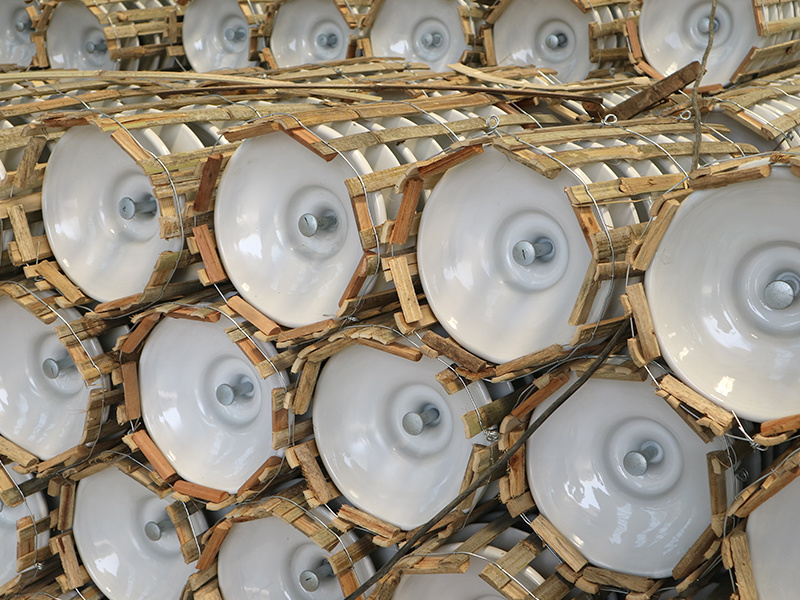
Ceramic insulators are insulators made of ceramic materials such as alumina.
High Durability: Ceramic insulators possess high resistivity, high dielectric strength, excellent mechanical properties, and the ability to dissipate heat and insulate in humid and corrosive environments.
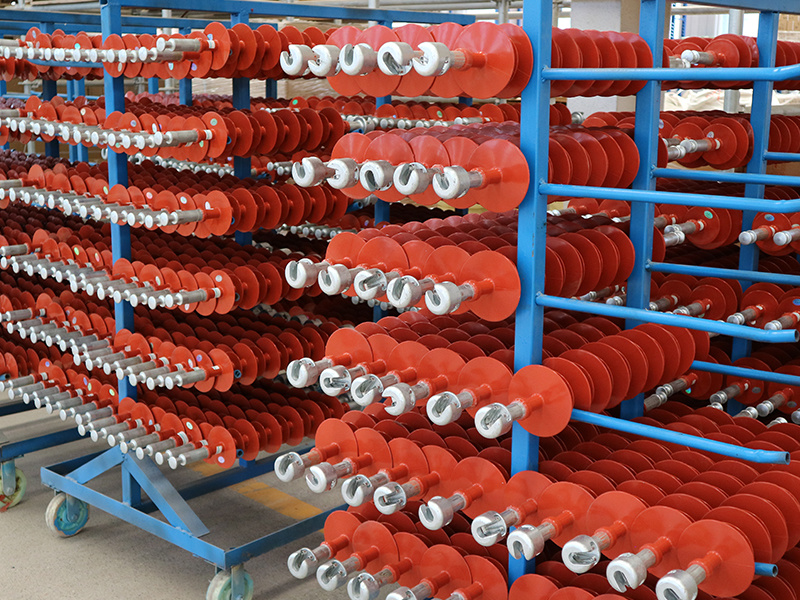
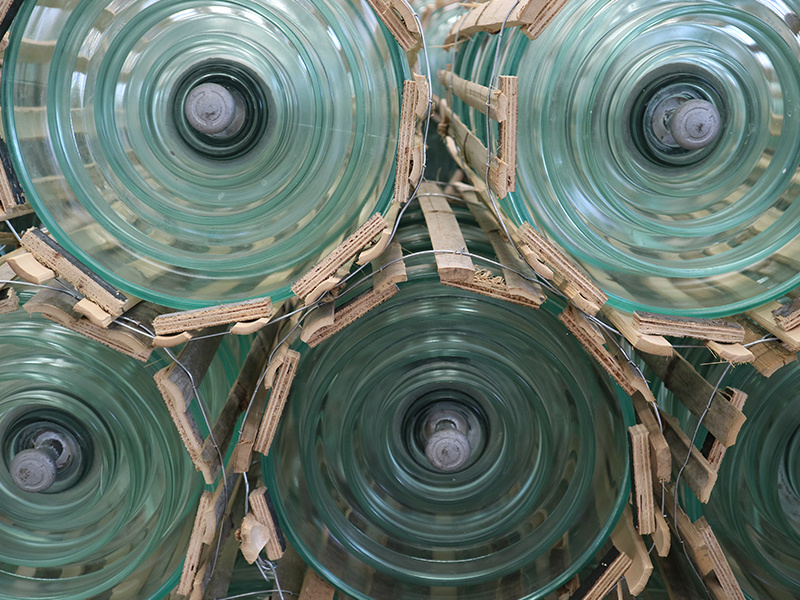

We adopt advanced manufacturing processes, strictly control every step to ensure product performance, and lead industry standards through technological innovation.


Mobile/WeChat
Address
Hejian City, Cangzhou City, Hebei Province