
Composite Insulator: Reliable Insulation Solution for Safe and Efficient Power Transmission Systems
2026-08-05


Composite insulator has become an important component in modern power transmission and distribution networks due to its excellent insulation performance, lightweight structure, and strong environmental adaptability. With the continuous development of global power infrastructure, electrical systems require insulation products that can provide stable performance under complex operating conditions. Composite insulators are designed to meet these demands by combining advanced polymer materials, high-strength fiberglass cores, and reliable end fittings.
Traditional ceramic insulators have been widely used in power systems for many years, but they may face challenges such as heavy weight, fragile structure, and sensitivity to pollution in certain environments. Composite insulators effectively solve these problems by offering better mechanical flexibility, improved pollution resistance, and easier transportation and installation. These advantages make them suitable for various applications, including high-voltage transmission lines, substations, and distribution networks.
The main advantage of composite insulators is their excellent electrical insulation capability. The silicone rubber housing provides strong hydrophobic performance, allowing water droplets to remain separated on the surface instead of forming continuous conductive paths. This feature helps reduce leakage current and improves insulation reliability, especially in areas affected by humidity, industrial pollution, or coastal salt environments.
Another key benefit is their lightweight design. Compared with traditional porcelain or glass insulators, composite insulators significantly reduce installation difficulties and transportation costs. The lighter structure allows workers to complete installation more efficiently while reducing the load on transmission towers and supporting structures. This provides a practical solution for projects requiring fast construction and improved operational efficiency.
Composite insulators also provide excellent mechanical strength and durability. The internal fiberglass reinforced polymer rod offers strong tensile performance, while the outer silicone rubber housing protects against ultraviolet radiation, aging, and harsh weather conditions. This combination enables the insulator to maintain stable operation throughout long-term outdoor exposure.
In power transmission projects, reliability and safety are major concerns for customers. Equipment failure caused by insulation breakdown can lead to power outages, maintenance costs, and operational risks. Composite insulators help solve these challenges by providing stable electrical performance and strong resistance against environmental factors. Their long service life reduces replacement frequency and improves the overall reliability of power systems.
For example, in coastal transmission line projects, traditional insulation products may experience performance degradation due to salt contamination and high humidity. By applying composite insulators, power companies can improve pollution resistance and reduce maintenance requirements. The hydrophobic surface characteristics help maintain insulation performance even under challenging environmental conditions.

In mountainous areas and regions with severe weather conditions, composite insulators also provide significant advantages. Their lightweight structure simplifies transportation and installation in difficult terrain, while their high mechanical strength ensures stable operation under wind, rain, and temperature changes. This makes them an effective choice for expanding power networks in complex geographical environments.
For utility companies, engineering contractors, and power equipment manufacturers, selecting reliable insulation products is essential for ensuring project quality. High-quality composite insulators require advanced manufacturing processes, strict quality control, and precise production technology. These factors guarantee consistent performance and help customers build safer and more efficient power infrastructure.
Composite insulators are not only designed to replace traditional insulation solutions but also to support the future development of smarter and more reliable electrical networks. They provide a combination of electrical safety, mechanical strength, environmental resistance, and economic benefits. By reducing maintenance requirements and improving system stability, composite insulators help customers overcome many challenges in modern power transmission and distribution.
As global electricity demand continues to increase, the need for durable and efficient insulation solutions will continue to grow. Composite insulators will remain a key technology in power infrastructure development, providing reliable protection and supporting the stable operation of electrical networks worldwide.
Keywords:
Next
Next Page:
Recommended
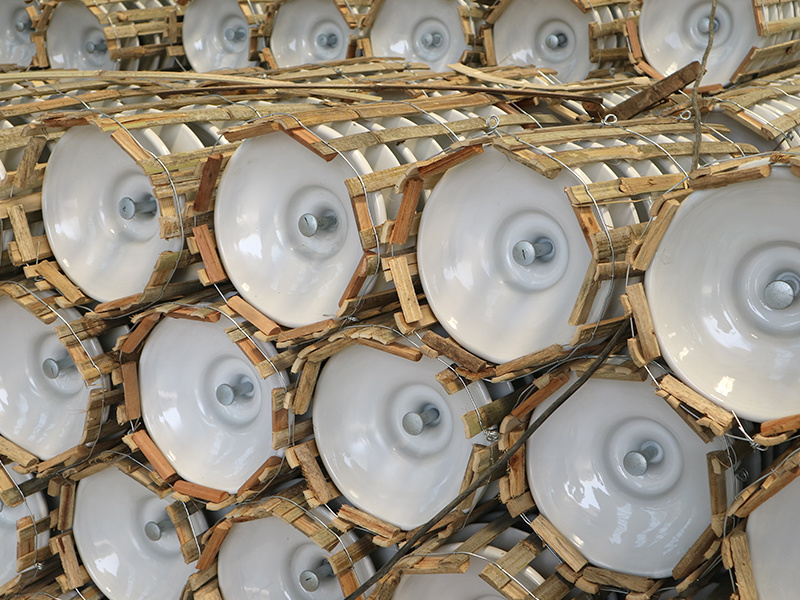
Ceramic insulators are insulators made of ceramic materials such as alumina.
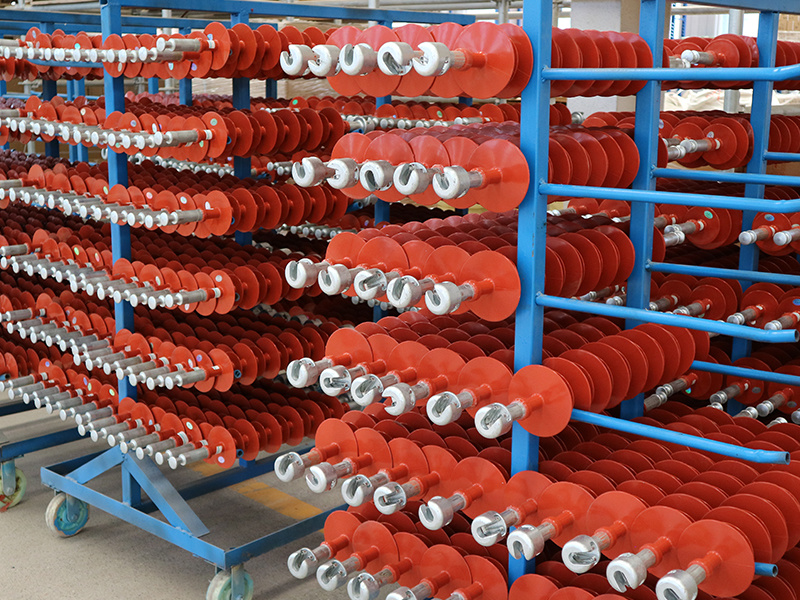
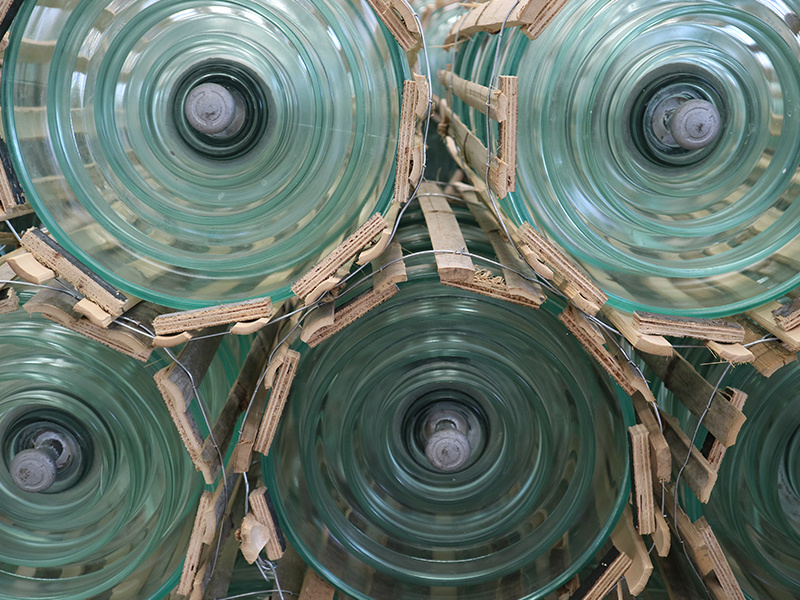

We adopt advanced manufacturing processes, strictly control every step to ensure product performance, and lead industry standards through technological innovation.


Mobile/WeChat
Address
Hejian City, Cangzhou City, Hebei Province